

Content Advisory: This article discusses murder, assassination, death, and family regret. Reader discretion is advised.
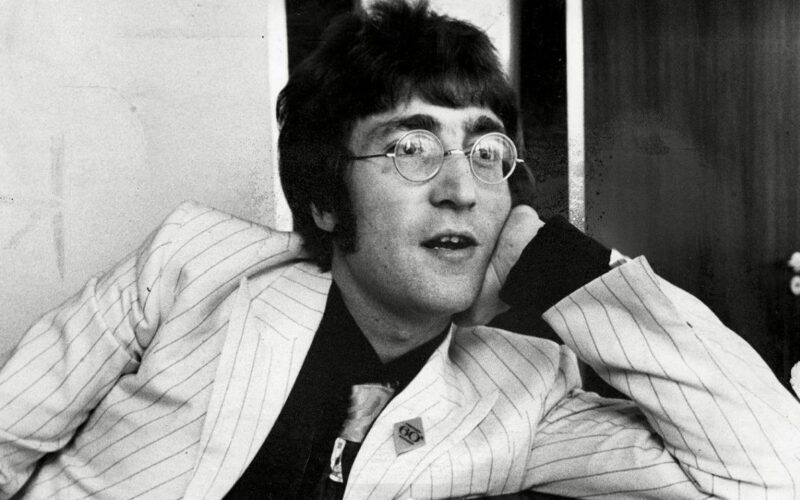
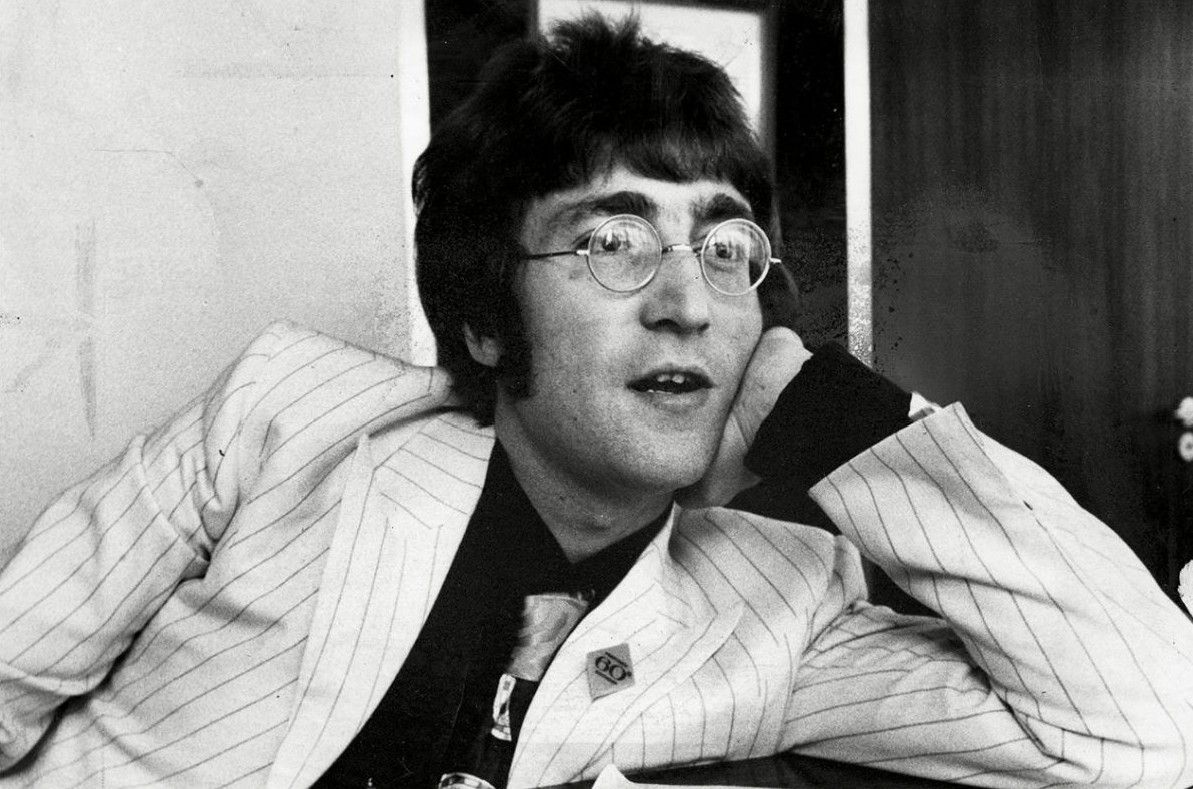
John Lennon’s final interview has resurfaced at Cannes, and one line now feels almost impossible to read without a chill.
The interview was recorded on December 8, 1980, just hours before Lennon was shot and killed outside The Dakota, his apartment building in New York City. Parts of that conversation now appear in Steven Soderbergh’s new documentary, ‘John Lennon: The Last Interview’, which premiered at the Cannes Film Festival on Friday, May 15.
At the start of the film, Lennon says, “I consider that my work won’t be finished until I’m dead and buried and I hope that’s a long, long time.”
He did not know that time was almost gone.
Lennon Spoke About Death Hours Before His Murder
Lennon and Yoko Ono had released ‘Double Fantasy’ just weeks before the interview. The couple sat down with RKO Radio’s Dave Sholin and Laurie Kaye for a three-and-a-half-hour conversation at The Dakota.
The interview was meant to promote the album. It now plays like a final record of where Lennon’s mind was in his last hours.
He spoke about returning to music after a five-year break and described the new creative wave as a “diarrhea of creativity.” Songs, he said, had begun coming to him again. Lennon also said he wanted to make more albums with Ono, possibly a second and even a third. He described working with her as “a joy” and called her his best friend.
Lennon Reflected On JFK, Yoko And Fatherhood
In another eerie moment, Lennon discussed John F. Kennedy, who was assassinated in 1963. He reflected on why Kennedy remained such a symbol of hope and wondered what the president might have done had he lived.
The conversation also moved into deeply personal territory.
Lennon and Ono talked about their marriage, their breakup, their reconciliation, and their family life with son Sean, who was 5 years old at the time. Lennon called Sean his “twin” and said the child taught him how to be authentic.
He also spoke about Julian, his eldest son with first wife Cynthia Powell. Lennon admitted regret over not being more present for Julian, who was 17 when his father was murdered.
Soderbergh Says Lennon And Ono Were Open
Soderbergh, directing his first documentary since 2010, said he was struck by how free Lennon and Ono sounded in the recording. “I was surprised at how open and excited they were to talk,” Soderbergh said. “You would think they had never been interviewed before.”
He said the interview still matters because Lennon and Ono were speaking about relationships, politics, systems, love, and how people treat one another.
That is what makes the film hit harder. Lennon was not looking backward like someone closing a chapter. He was talking like an artist entering a new one.
Hours later, he was gone.