


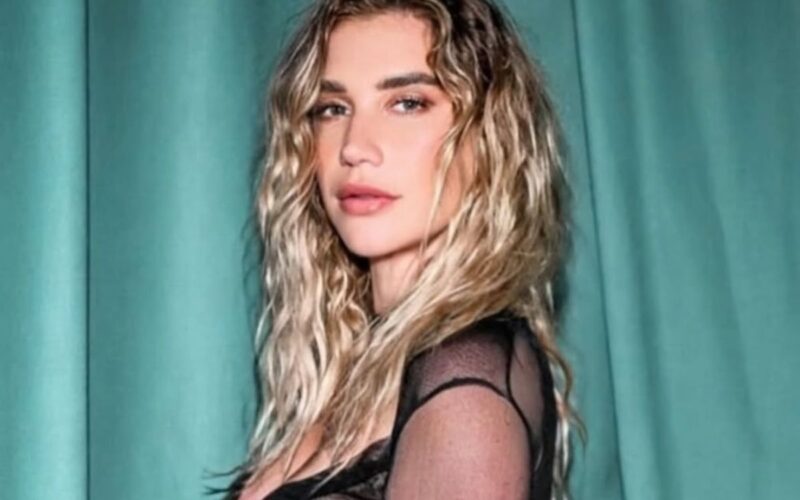
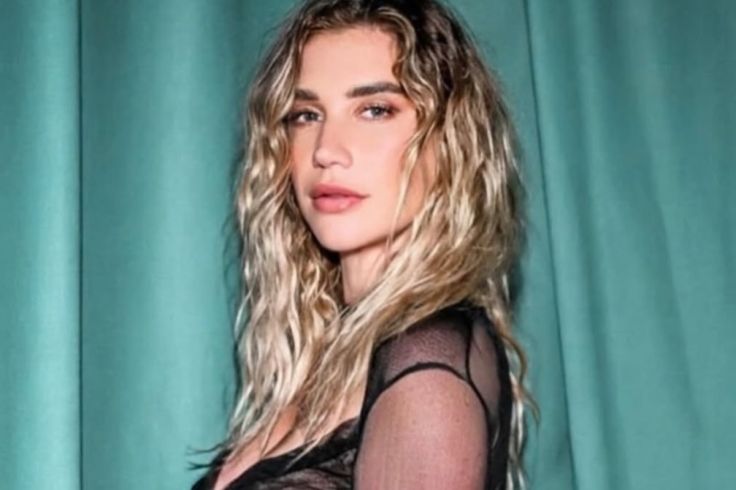
Kesha is speaking out after her 2011 hit song Blow was used in a White House TikTok video tied to U.S. military action, and the pop star is making it clear she did not approve. The singer sharply criticized the Trump administration after the clip appeared online featuring footage of American warplanes alongside her dance track.
The controversial video showed military strikes on naval targets during the escalating U.S.–Iran conflict, set to the chorus of Blow with the caption “Lethality.” The montage quickly spread across social media, drawing backlash from critics who argued the upbeat pop song clashed with the seriousness of the wartime footage.
Kesha responded almost immediately, posting on Instagram and X to condemn the use of her music. The singer said the track was used without her permission and accused officials of trivializing war by pairing military imagery with a party anthem.
In one of her posts, Kesha wrote that the video showed a “blatant disregard for human life” and said she would never support her music being used to promote violence. She later posted a blunt message directed at the administration, writing, “Stop using my music, perverts.”
The White House did not remove the video immediately, and Communications Director Steven Cheung responded online by mocking the criticism. Cheung suggested that when artists complain about the use of their songs, it often draws more attention to the content and increases view counts.
Kesha is far from the only musician to object to the use of their music in political or government-related content. In recent years, several artists have publicly demanded that their songs be removed from videos linked to political campaigns or federal agencies.
Members of Radiohead previously criticized the use of their music in an immigration enforcement video, while Olivia Rodrigo and Sabrina Carpenter have also spoken out after their songs appeared in government-related posts without approval.
Under U.S. copyright law, artists generally control how their music is licensed, meaning unauthorized use can potentially lead to legal challenges or cease-and-desist demands. Beyond the legal aspect, many musicians argue that their work should not be used in ways that conflict with their personal values or political views.