



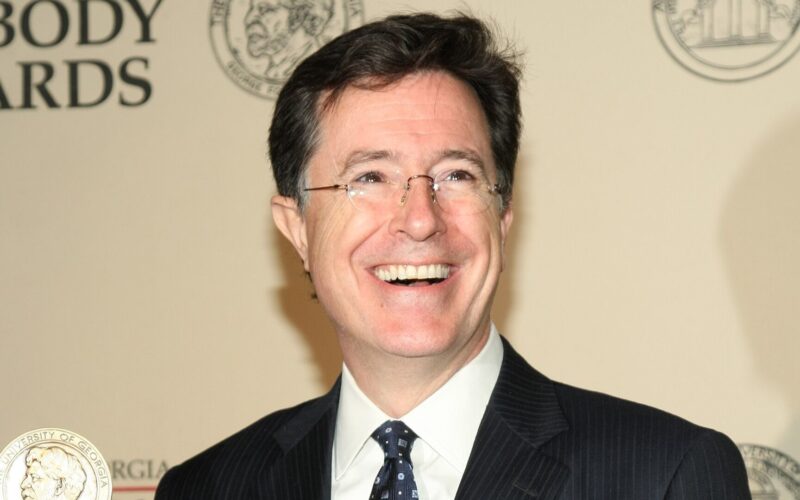
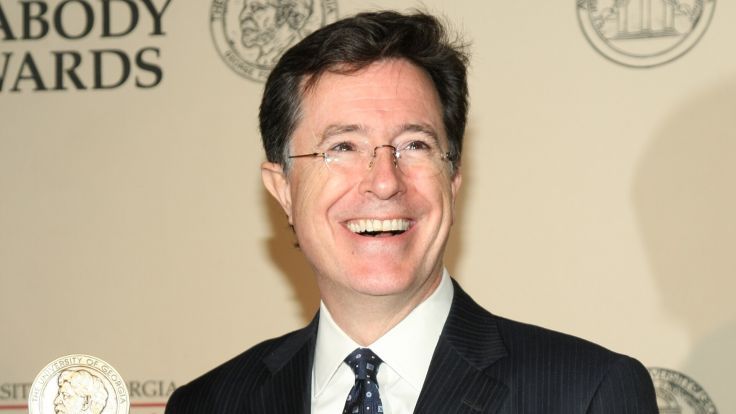
Stephen Colbert’s final bow is starting to look bigger than one host leaving one desk. The Stephen Colbert finale airs May 21, closing “The Late Show” and ending a CBS franchise that ran for more than three decades. CBS says the decision came down to money. Still, the farewell has turned into a referendum on late-night TV itself.
CBS announced in July 2025 that Colbert’s show would end in May 2026. The network called the move “purely a financial decision” and said it was unrelated to performance, content or Paramount issues. That explanation has not settled the conversation. The timing, the politics and the state of broadcast TV keep dragging the story back into the spotlight.
Stephen Colbert Finale Becomes A Late-Night Summit
Colbert’s final weeks have been built like an industry sendoff, not a quiet cancellation. Former President Barack Obama helped launch the closing stretch. Jon Stewart later surprised Colbert with a heartfelt tribute and a comic parting gift. The show also reunited Jimmy Fallon, Jimmy Kimmel, Seth Meyers and John Oliver for a “Strike Force Five” crossover.
That reunion carried extra weight because late night suddenly feels more fragile. These hosts once competed for the same nightly audience. Now, they are standing together as one of the genre’s biggest stages goes dark. Even Kimmel and Fallon plan to air reruns during Colbert’s finale night, giving him the room.
CBS Faces Letterman’s Sharpest Jab
David Letterman has not accepted CBS’ explanation quietly. The former “Late Show” host said he did not believe the network’s financial reasoning. His “lying weasels” jab cut through the polite industry talk and instantly went viral. It also gave Colbert’s exit a sharper emotional edge.
The criticism landed because the cancellation arrived during a sensitive corporate moment. Paramount’s Skydance merger and its settlement with Donald Trump had already drawn scrutiny. Colbert had publicly criticized that settlement before CBS announced the show’s end. CBS continues to deny any connection.
Late-Night TV Loses Its Grip
The bigger story may be less conspiratorial and more brutal. Traditional late-night TV no longer owns the national conversation the way it once did. Viewers now catch monologues as clips, scroll jokes on TikTok and follow political comedy through podcasts. The couch, band and desk still exist, but the cultural center moved.
Colbert’s run showed both the power and limits of the old model. His political satire gave “The Late Show” a clear identity. His ratings remained strong within the format. However, strong late-night ratings do not guarantee old-school network economics still work.
After Colbert leaves, CBS plans to retire the “Late Show” brand rather than replace him. That choice says plenty. It signals that the problem is not simply one host’s cost or one show’s tone. It suggests the entire format has entered a harsher business era.
For viewers, the finale will likely feel nostalgic, funny and loaded. For the industry, it looks like a warning shot. Late night is not dead, but the classic broadcast version is shrinking fast. Colbert’s goodbye may be remembered less as an ending than the moment everyone admitted the room had changed.