

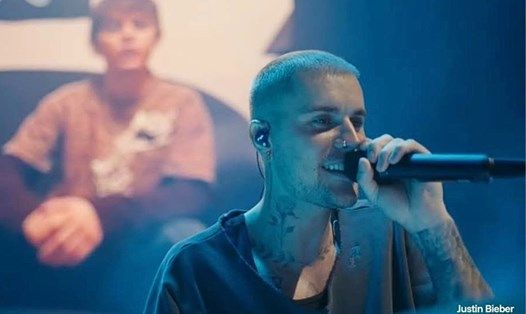
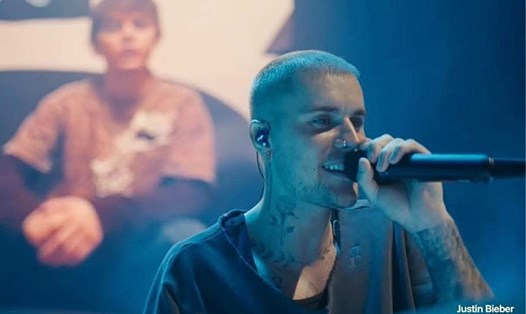
Justin Bieber’s Coachella set turned into one of the weekend’s most argued-over performances, and not because of a surprise stunt or a giant stage reveal. The pop star took a stripped-down approach that leaned on a laptop, old YouTube clips, and a deliberately loose structure that left some fans thrilled and others deeply unimpressed. Reviews and fan reactions quickly split between those who saw an intimate nostalgia trip and those who saw a headliner doing far less than the moment demanded. The backlash only grew because reports said Bieber earned about $10 million for the two-weekend booking.
Justin Bieber’s Coachella Set Felt More Like Karaoke
Much of the conversation centered on how bare the show looked. The Los Angeles Times flatly framed it as “Justin Bieber (and his laptop) headline Coachella Night 2,” while Vogue said he “effectively performed karaoke” through some of his biggest early hits. During the set, Wi-Fi issues also became part of the story, adding to the sense that the performance was intentionally casual or, depending on your view, oddly undercooked for a major festival headline slot.
That choice clearly worked for some people in the crowd. Vogue described the nostalgia effect of hearing songs like “Baby” as powerful and crowd-pleasing, even with the rough edges. Still, the same loose format also fueled the harsher reaction online, where critics called the set lazy and underwhelming compared with the production level fans usually expect from a Coachella headliner. Men’s Journal and IBTimes both captured that divide, noting strong attendance but a sharp backlash over the low-effort look and feel.
The YouTube Angle Became Its Own Story
The laptop setup pulled even more attention because YouTube was Coachella’s official livestream partner, and Bieber’s use of YouTube clips during the show sparked instant speculation online about whether there was a branding play behind it. That theory remains unconfirmed. What is confirmed is that the YouTube-heavy setup became a major talking point, with fan commentary focusing as much on the method as the music itself. IBTimes specifically reported that viewers began floating sponsorship theories, but neither Bieber’s team nor YouTube publicly confirmed any such arrangement.
There is also a practical explanation that some fans kept raising. Bieber sold his catalog rights in a major deal a few years ago, and online discussion around the set quickly turned to whether that may have shaped how he used older songs at Coachella. Again, that remains speculation, not a confirmed reason for the format. But it added another layer to why the set felt less like a standard victory lap and more like a strange live experiment playing out in front of a massive audience.
Why The Backlash Hit So Hard
The harsh reaction was not really about one missed cue or one lagging clip. It was about the gap between the size of Bieber’s star power and the low-key style of the show. Coachella headliners usually arrive with massive staging, precise pacing, and a sense of full control. Bieber gave the crowd something much more casual, and that made the performance feel either refreshingly loose or wildly underprepared, depending on the viewer.
That tension is what made the set stick. Some fans defended him by saying his voice and catalog were enough to carry the night. Others thought the whole thing looked like a global superstar coasting through one of the biggest bookings of his career. Either way, Bieber did not give Coachella a routine headline set. He gave it a performance people could not stop arguing about.