



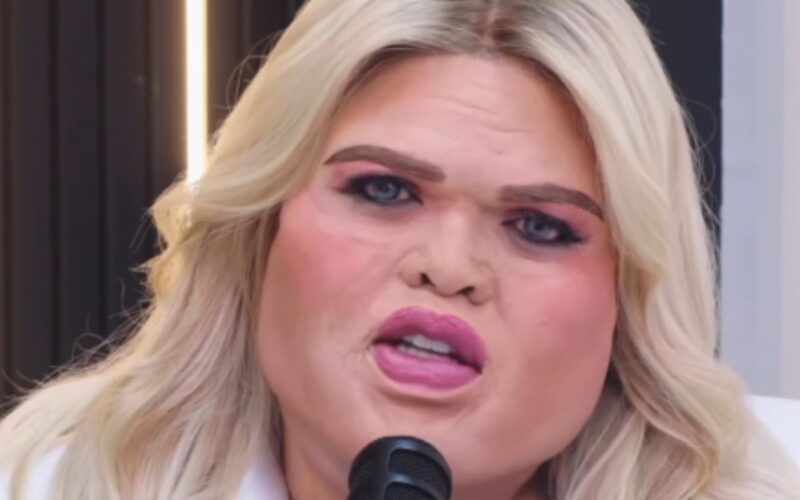
Erika Kirk and Druski were already driving a fierce online clash. Then President Donald Trump stepped in and turned it into a bigger political fight. During a White House Easter event on April 2, Trump urged Kirk to sue people he said were mocking her. The comment landed just days after Druski’s parody, “How Conservative Women in America Act,” blew up across social media. That mix of viral comedy, grief politics and rumor has kept the story moving fast.
Erika Kirk Becomes the Center of It
Druski posted the sketch on March 25 and sparked instant backlash. Many viewers saw the character as a clear parody of Kirk, the widow of Charlie Kirk. Critics called the bit cruel because Charlie Kirk died in September 2025. Supporters of the comic, however, defended it as satire aimed at conservative culture.
The outrage only grew when fake posts claimed Kirk wanted Elon Musk to remove the clip. Other rumors said Druski had already been hit with a cease-and-desist. Snopes found no evidence that Kirk asked Musk to take the video down. Reports also said Druski’s camp denied that any cease-and-desist had been sent.
Trump Pushes the Story Into a New Lane
Trump added fuel when he addressed Kirk in public and told her to sue. The moment happened at a White House Easter event and quickly spread online. News reports quoted him telling Kirk to “sue their a** off,” drawing laughs and applause. That line pulled a viral comedy dispute straight into the middle of a bigger culture-war fight.
Satire, Speech and the Online Spiral
Legal threats make flashy headlines, but parody still gets broad First Amendment protection in the US. That does not stop public pressure, especially when a viral skit touches grief, politics and identity at once. Meanwhile, the internet kept feeding the story with fake screenshots and exaggerated claims. In the end, misinformation gave the controversy almost as much life as the sketch itself.
That is why this story keeps sticking. It is not only about one comedian or one widow. It is about how quickly a parody can turn into a loyalty test online. As of mid-April 2026, no lawsuit had emerged, and the rumor mill still looked louder than any legal filing. For now, the clash reads less like a courtroom battle and more like another internet firestorm that found a very powerful microphone.