


Content Advisory: This article discusses political media allegations, ICE protests, fatal police encounters, and claims of editorial interference. Reader discretion is advised.
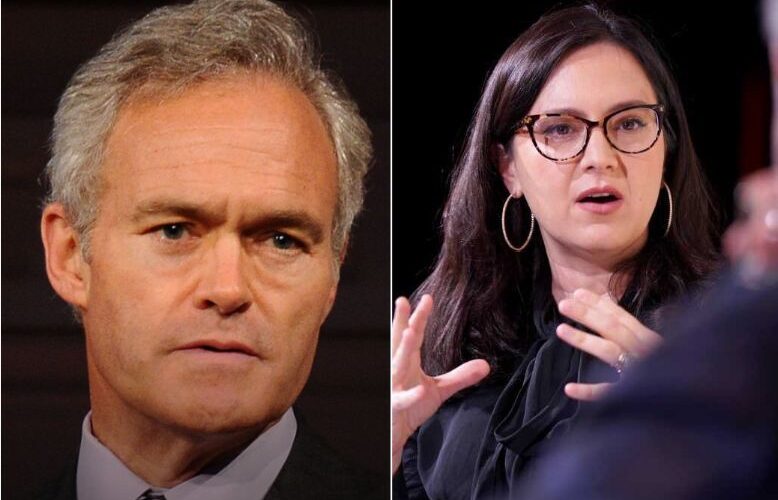
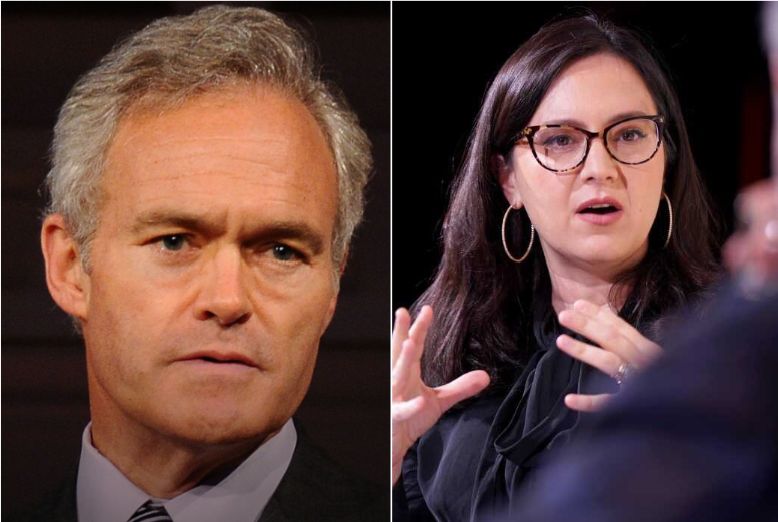
Scott Pelley is now putting ‘specific’ claims behind months of CBS News turmoil.
The longtime ‘60 Minutes’ correspondent, who was recently fired, has spoken out about Bari Weiss’ leadership at CBS News and accused her of trying to push a more aggressive political framing into one of his stories.
For months, former and current ‘60 Minutes’ figures have claimed that Weiss, CBS News’ editor-in-chief, pressured staff to alter stories for political reasons. CBS has denied those claims.
Now Pelley is giving a specific example.
In a new interview with The New York Times, he said Weiss questioned a ‘60 Minutes’ report about ICE’s occupation of Minneapolis and allegedly wanted the protesters to appear more violent.
Pelley Says He Already Included Aggressive Protest Footage
The story in question involved ICE’s presence in Minneapolis this past winter and included the deaths of Renée Good and Alex Pretti.
Pelley said he believed it was important to show the full context of the confrontations between protesters and officers.
“I felt it was very important to identify that the protesters themselves were being very aggressive and that they were half of these confrontations,” Pelley said.
He said he instructed producers to find footage showing protesters acting aggressively. According to Pelley, the team included a protester chest-bumping an officer, an officer being hit in the head with a snowball, and video of protesters screaming in officers’ faces.
“It seemed to me important to tell the audience about the entire context,” he said. “I thought we’d done a really good job with this.”
Weiss Reportedly Wanted A Harsher Framing
Pelley said Weiss still pushed back. About four hours after the deadline, he said Weiss sent an email to his boss, Tanya Simon.
Pelley said he did not have the exact wording in front of him, but he described the message as asking whether the protesters could be made to look more violent.
“Now, I’m paraphrasing. I don’t have the quote, but that’s what was communicated to me,” he said.
He also said Weiss wanted the report to describe Renée Good as driving toward an officer.
Pelley pushed back on that point. He said video of Good’s death did not show her driving toward the officer, even though that was how President Donald Trump had framed it online.
Pelley refused to make the change.
Episode Nearly Missed Air
Pelley said no one followed up with him after he declined to make the changes.
He then suggested Weiss may not have realized the requested edits were never made.
“It occurred to me that maybe Bari Weiss didn’t see the broadcast and didn’t realize that those changes hadn’t been made,” he said.
But the dispute still came close to disrupting the episode.
“That episode came within 19 minutes of not making it to air,” Pelley said.
The timing made the situation even more tense. It was the night of the Grammys, and ‘60 Minutes’ was the lead-in.
“We almost didn’t have a broadcast,” he said.
Pelley Says Weiss Is Not Built For Television News
Despite the criticism, Pelley did not present Weiss as malicious.
He described her as a “lovely person” and said the media operation she built with The Free Press was “very successful.”
But he argued that television news requires a different kind of experience.
“Television’s not her thing,” Pelley said.
He compared the situation to someone being asked to fly a 747 to Paris without knowing how.
“I’m going to decline because I don’t have a clue,” he said.
Pelley argued Weiss would have been better off turning down the CBS role because she did not know how to do that kind of job.
CBS News Turmoil Keeps Growing
Pelley’s interview adds a new layer to the unrest at CBS News.
Previous reports had already described tension inside ‘60 Minutes’ after Weiss took on a top editorial role. One earlier report said a story on CECOT was held because Weiss felt it “was not ready.”
But Pelley’s allegation is more direct.
He is not only saying that Weiss interfered. He is saying she tried to push a specific framing that he believed was not supported by the footage.
CBS has denied that Weiss or management has improperly changed stories for political reasons.
Still, Pelley’s comments are likely to fuel more questions about editorial control at the network.
For ‘60 Minutes,’ the issue is bigger than one ICE protest story.
It is now about whether one of America’s most famous news programs is being pushed toward a new political posture and whether veteran journalists are willing to keep fighting it from inside the building.