


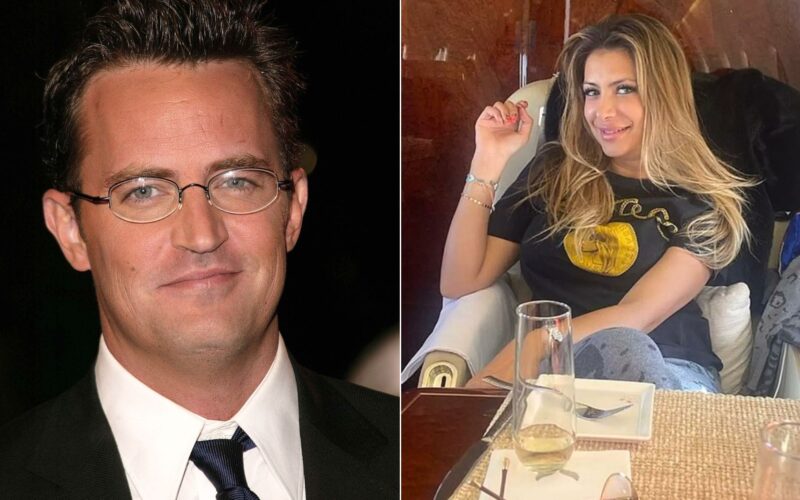
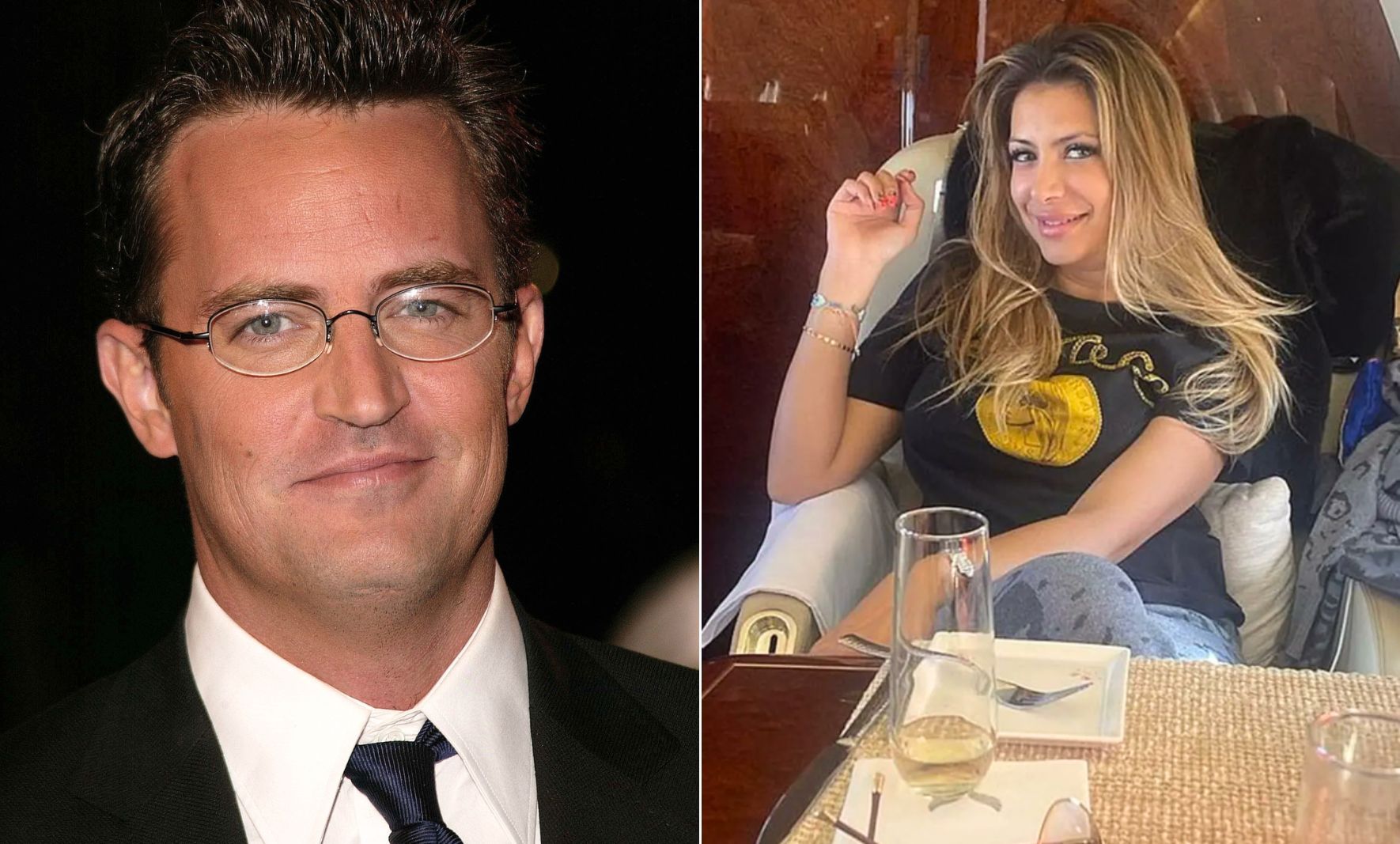
Jasveen Sangha, dubbed the “Ketamine Queen” by federal prosecutors, was sentenced to 15 years in federal prison on Wednesday, April 8, after admitting to distributing the ketamine tied to Matthew Perry’s death. The sentence closes one of the darkest chapters in the fallout from the ‘Friends’ star’s death while also drawing fresh attention to the chain of people who helped get the drugs into his orbit.
Last September, Sangha pleaded guilty to one count of maintaining a drug-involved premises, three counts of distribution of ketamine, and one count of distribution of ketamine resulting in death or serious bodily injury. Prosecutors said she supplied the ketamine to Erik Fleming. He then passed it along to Perry’s live-in assistant, Kenneth Iwamasa.
How Prosecutors Said the Ketamine Reached Matthew Perry
According to prosecutors, Sangha and Fleming sold Perry 51 vials of ketamine in October 2023 through Iwamasa. On October 28, 2023, Iwamasa injected Perry with at least three shots of Sangha’s ketamine, which prosecutors said caused the actor’s death.
Perry, 54, was found face down in the jacuzzi at his Los Angeles home. An autopsy determined he died from the acute effects of ketamine, with drowning, coronary artery disease, and the effects of buprenorphine listed as contributing factors.
Then came the detail that made the case look even colder.
“After learning from news reports of Perry’s death, Sangha called Fleming on Signal to discuss how to distance themselves from it,” a U.S. Attorney’s Office press release stated. Prosecutors said Sangha then changed her Signal settings to auto-delete messages and told Fleming, “Delete all our messages.”
Why Prosecutors Pushed for the Full 15 Years
Federal prosecutors wanted a 15-year sentence, and they got it. In a sentencing memorandum, they argued Sangha’s behavior after Perry’s death showed a stunning lack of remorse.
“She didn’t care and kept selling,” prosecutors wrote. They also said, “Defendant’s actions show a cold callousness and disregard for life. She chose profits over people, and her actions have caused immense pain to the victims’ families and loved ones.”
The filing got even sharper. “That defendant had the opportunity to stop after realizing the impact of her dealing, but simply chose not to,” it stated. That language framed Sangha not as someone tied to a single tragic incident, but as someone who allegedly kept dealing even after one of her sales ended in a celebrity death.
Reddit Reactions Turned Into a Fight of Their Own
Online, the sentence sparked a fierce split. On Reddit, some people thought Sangha got off easy.
“She’s lucky… the sentence could have been much longer. She was a large-scale drug dealer,” one user wrote. Another added, “Exploiting drug addicts deserves criminal penalties. Let it be a deterrent to anyone who would exploit an addiction.”
But others pushed back hard on that framing. “And what about the drug addicts? Not their fault? Who’s to say it’s exploitation?” one person wrote. Another took the debate in a darker direction, arguing, “There’s 100 other questions now. Nobody would have been charged if Perry was not a celebrity.”
That debate is not going away. Was this justice for a vulnerable man surrounded by people cashing in on his addiction? Or was this a case that only drew this level of attention because the victim was Matthew Perry?
The Other Defendants Also Faced Consequences
Four other defendants also pleaded guilty in connection with Perry’s death: Iwamasa, Fleming, and doctors Mark Chavez and Salvador Plasencia.
Plasencia was sentenced to 30 months in federal prison in December 2025. Chavez was sentenced to eight months of home detention and three years of supervised release.
The case has kept exposing just how many people Perry depended on in his final months, and how many of them prosecutors believe failed him. Sangha’s sentence may close one part of that story. It does not make the story any less ugly.
If you or someone you know is struggling with substance abuse, please contact the SAMHSA helpline at 1-800-662-HELP.