



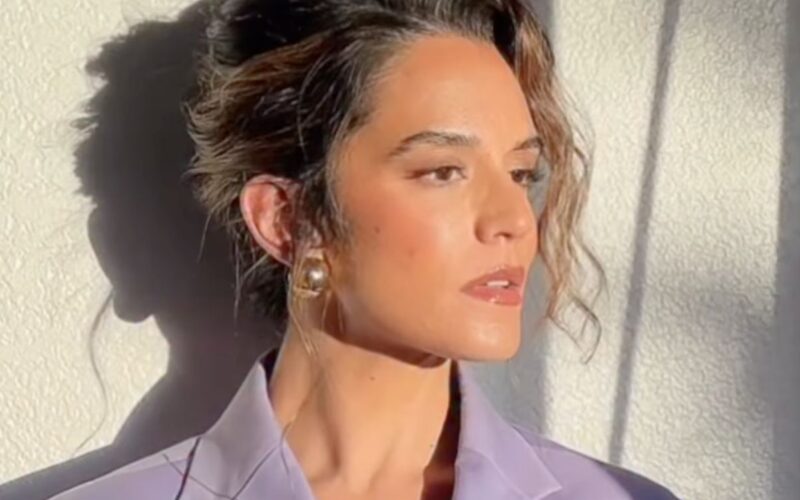
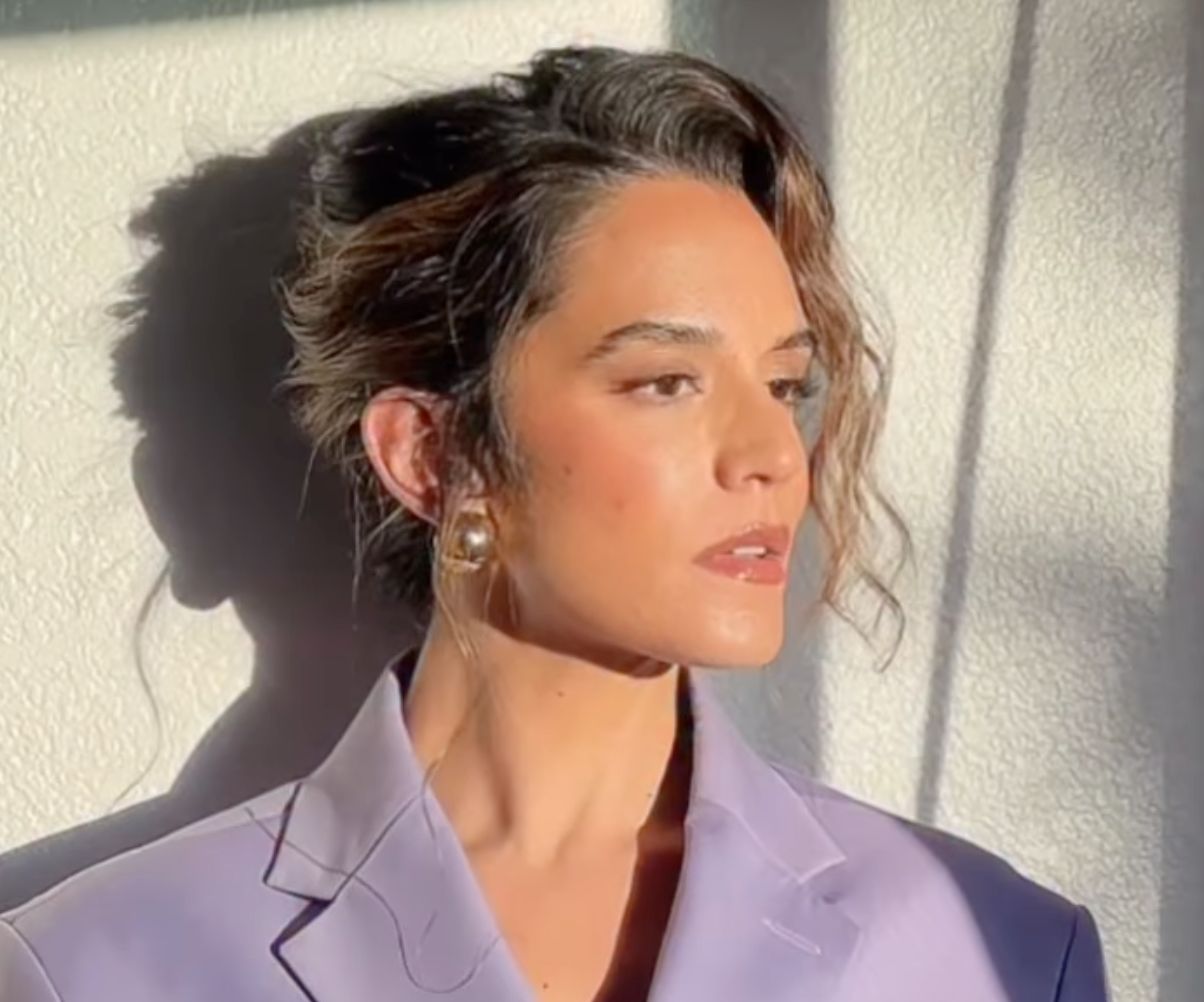
Sepideh Moafi name pressure is striking a nerve after the actress revealed that one of her first agents pushed her to change it early in her career. Long before landing major TV roles, Moafi says she faced a choice many actors of color know too well: soften part of her identity or risk being seen as less marketable.
Moafi, whose parents fled Iran before she was born in the United States, recently opened up about that early pressure. She said her first agent suggested a name change soon after grad school. Her answer, she made clear, came fast and without hesitation.
She said she refused because the suggestion felt like a demand to become someone else in order to work. That reaction now lands as a defining moment in her story. Instead of bending, she kept pushing forward and built a career on her own terms.
Sepideh Moafi name pressure never broke her
Moafi also made space for nuance in the conversation. She said she does not judge actors who change their names and understands how personal that choice can be. At the same time, she noted that many performers, especially people of color, have also pushed back when the industry tried to make them more “palatable.”
That balance is part of why her comments hit so hard. She did not frame the issue as simple or one-size-fits-all. Instead, she focused on motive, saying she hopes people make that choice for themselves and not because the business pressures them into sanding down who they are.
She built the career without changing herself
That decision clearly did not block her path. Moafi now stars as Dr. Baran Al-Hashimi in The Pitt, one of the roles that has put her in front of a wider audience. Her resume also includes work across a long list of major series, from The Good Wife and The Blacklist to The Deuce and The L Word: Generation Q.
Looking back, she said standing her ground led to one role, then another, then another. That progression matters because it undercuts the old industry logic that people must alter themselves to succeed. In her case, refusing the change became part of what shaped a lasting career.
Her story speaks to a bigger industry problem
What makes Moafi’s story resonate is that it reaches beyond one actress and one agent. It taps into a longer Hollywood pattern in which performers with unfamiliar or nonwhite names get pushed to sound easier, cleaner, or more sellable. Even when no one says it outright, the message often feels obvious.
Moafi’s refusal turned that pressure into a statement. She did not just protect her name. She protected the right to enter the room without first stripping away part of herself. That is likely why her words are sticking now. They are not just about career advice. They are about identity, power, and the quiet demands the industry still makes behind closed doors.