




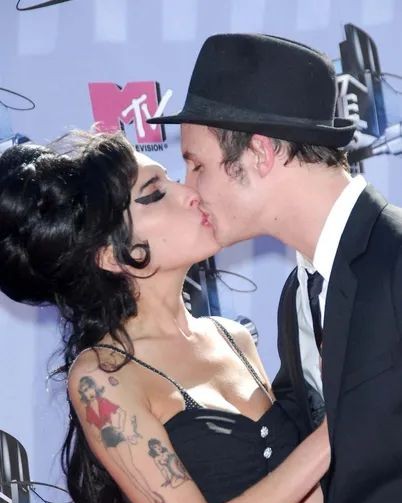
It has been 15 years since the music world lost Amy Winehouse, yet the conversation around her final years refuses to fade. Now, her ex-husband Blake Fielder-Civil is stepping back into the spotlight with fresh claims about their past. In a recent podcast interview, he pushed back on long-standing narratives that link him directly to her struggles. Instead, he framed their relationship through a different lens, one centered on personal choice and shared responsibility. The renewed focus on Blake Fielder adds another layer to a story that still sparks debate among fans and critics alike.
Rewriting the narrative around Blake Fielder
Fielder-Civil spoke candidly on the “We Need to Talk” podcast. He addressed years of public blame tied to Winehouse’s death. According to him, the idea that he controlled her actions does not reflect reality.
He stressed that Winehouse made her own decisions, even during difficult moments. He described her as strong and independent, despite her struggles with alcohol and drugs. At the same time, he acknowledged their shared history with substance use.
He admitted introducing her to heroin early in their relationship. However, he insisted both were equally involved in their downward spiral. He rejected claims that he played a dominant or controlling role in her addiction.
Inside their complicated bond
The pair met in a London pub in 2001. Fielder-Civil recalled being immediately drawn to her. Their relationship quickly became intense, marked by both affection and chaos.
Even after their 2009 divorce, they remained in contact. He described Winehouse as his closest friend, not just a former partner. That connection, he said, stayed strong despite their personal issues.
He also pointed out a difficult period when he was in prison. During that time, he believes her addiction worsened. He used that point to challenge the idea that he was always present or influencing her behavior.
A final chapter shaped by distance
Winehouse died in 2011 from alcohol poisoning while Fielder-Civil was incarcerated. He said he would have acted differently if he had been free at the time. According to him, he would not have allowed her to spiral alone.
Still, his absence during her final days remains a painful detail. He could not attend her funeral, which added another layer of regret to his story.
His recent comments do not erase the past, but they do shift the tone of the conversation. Fans remain divided, with some questioning his perspective and others considering his claims. What stays clear is that the legacy of Amy Winehouse continues to evolve, shaped by new voices and old memories colliding in public view.