



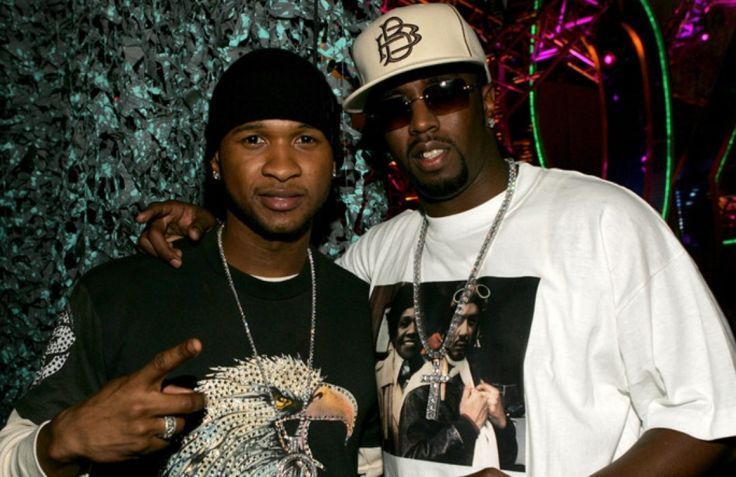
Usher just stepped into one of the messiest loyalty debates in music. In a recent Forbes interview, the singer was asked for the first word that came to mind about Sean “Diddy” Combs, and he answered with one word: legacy. That response landed hard because Combs is now serving a federal prison sentence after being convicted on two prostitution-related counts in 2025. So instead of dodging the topic, Usher gave a personal answer that instantly reopened questions about loyalty, influence, and what famous friends choose to defend.
Usher would not reduce Diddy to the case
Usher did not argue that Combs is blameless. In the interview, he said no one is perfect and no one is without flaws. Still, he also said he had nothing negative to say about Combs because his own experience was not what the public has seen and because he believes Combs has been misrepresented. That framing matters because Usher’s comments were not about the verdict itself. They were about the version of Combs he says he personally knew.
That is where the reaction gets complicated. Combs was convicted on two Mann Act counts tied to transportation for prostitution after an eight-week federal trial, though he was acquitted on more serious sex trafficking and racketeering charges. He was later sentenced to 50 months in prison and is now incarcerated in New Jersey while appealing the conviction. Those facts make any public defense feel instantly explosive, even when the speaker stops short of excusing the conduct.
Why Usher still sees legacy
Usher’s explanation came from history, not distance. He described Combs as a hard teacher and a major source of business knowledge during his rise in the industry. In other words, he was not praising a headline. He was talking about someone he sees as a formative figure in his life and career. That is why his answer sounded less like a legal argument and more like a stubborn refusal to let public disgrace erase private influence.
Even so, that distinction may not help much with the public. Combs still faces a mountain of reputational damage, ongoing legal scrutiny, and civil allegations that continue to shape how people view him. So when Usher talks about legacy, many readers hear something much bigger than gratitude. They hear a celebrity trying to preserve the stature of a man whose name now triggers outrage as fast as nostalgia. That tension is exactly why the interview caught fire.
The word that changed the conversation
What made Usher’s remarks so striking was how direct they felt. He did not hedge with vague language or try to sidestep the question. He picked a loaded word and stood by it. That does not mean everyone will accept the logic, but it does explain why the clip spread so fast. In one answer, Usher turned a routine interview into a fresh flashpoint over whether cultural impact can ever be separated from criminal conviction.
For some people, that answer will sound honest. For others, it will sound wildly tone-deaf. Either way, Usher made clear that he is not ready to rewrite his own history with Combs just because the public now sees him through a darker lens. That may be the most revealing part of all. He was not defending the case. He was defending what Combs once meant to him, and that may be even more controversial.