


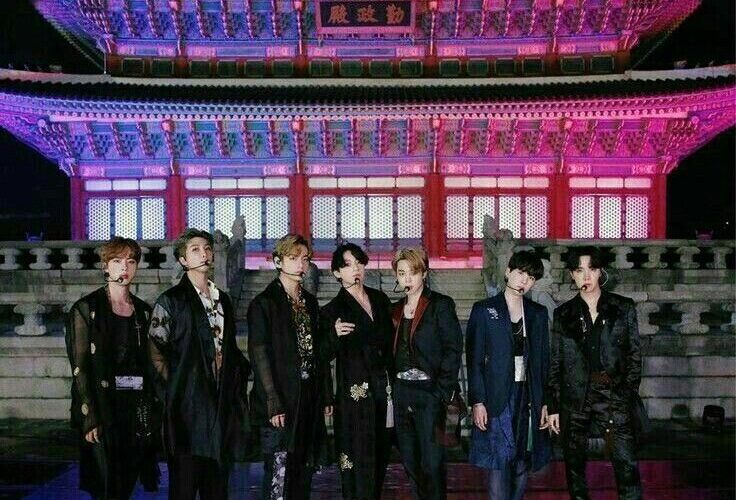
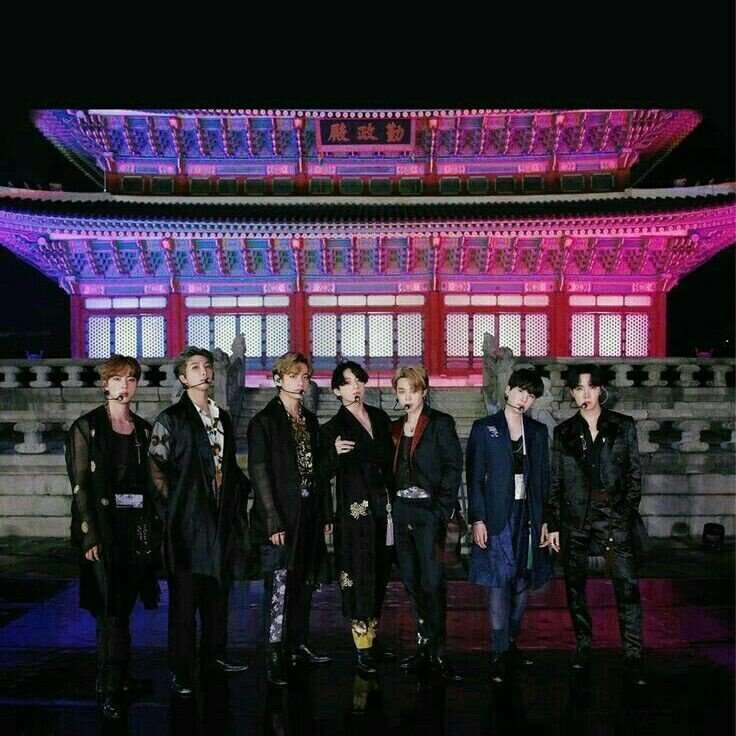
BTS Gwanghwamun Square controversy is now the bigger story after the group’s comeback concert set off a messy public debate in Seoul. What looked like a major culture moment also raised harder questions about public space, state support, and who paid the real price. As the stage came down, criticism only got louder.
BTS Gwanghwamun Square controversy
The sharpest question came fast. Why did a private concert appear to lean so heavily on public backing? Reports said HYBE paid fees for use of the square and nearby filming permits. However, critics argued that the real burden reached far beyond those direct payments. Police, firefighters, and city staff were deployed in large numbers, which turned the event into more than a simple concert booking.
That point fueled claims of special treatment. Critics asked whether any other private act could have secured the same level of support. For them, that issue now sits at the center of the backlash. It is less about BTS alone and more about how power moves when a giant cultural brand enters public ground.
Public disruption drew fresh heat
Concert day also brought road controls, tighter access, and visible security around central Seoul. Some people accepted that as part of crowd safety. Still, others said the disruption was too large for a single artist event in one of the city’s most symbolic spaces. Gwanghwamun is not just another venue. It is a place tied to tourism, daily movement, and public assembly.
Because of that, critics argued the city needed stronger public agreement before moving ahead. They also questioned whether clear standards even existed. Without those rules, the concert felt to some like a test case with no real public process behind it. That perception only deepened the frustration.
A concert or a cultural policy project?
Some observers said the event looked bigger than entertainment. They argued it reflected a state-led push to showcase K-pop through public institutions and city spaces. That criticism hit a nerve because K-pop is often praised for growing through fan energy and artist appeal. In this case, though, critics said the state seemed too visible.
Now the bigger issue is what comes next. If Seoul wants more private events in major civic spaces, experts say the city needs clear review rules and citizen input. Otherwise, every future event could trigger the same fight. The concert may be over, but the battle over who truly owns the square is just getting started.