



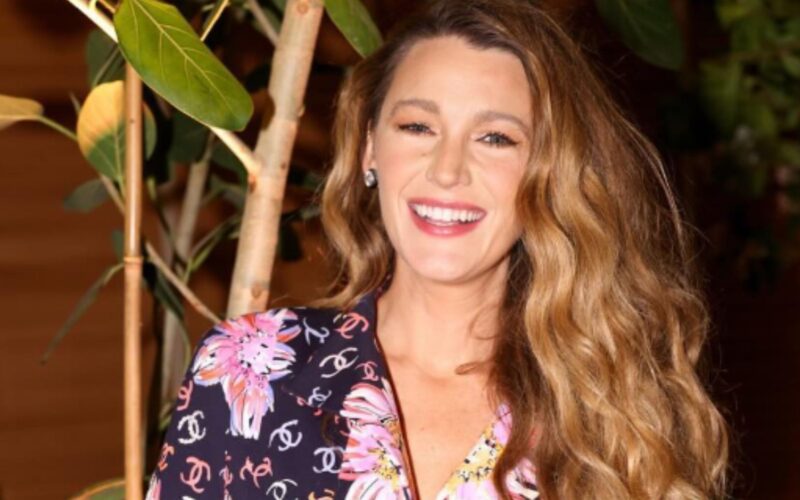
Blake Lively is facing fresh backlash after newly unsealed text messages revealed behind-the-scenes conversations about promoting her film centered on domestic violence. The messages, exchanged in August 2024 between Lively and co-star Brandon Sklenar, have ignited heated debate online, with critics accusing the actress of putting marketing strategy ahead of sensitivity toward survivors.
The texts reportedly show the pair discussing whether to delay a promotional video inspired by Creed’s With Arms Wide Open. According to the exchange, they were aware the spot could spark negative reactions, particularly given the film’s heavy subject matter. Instead of scrapping it outright, the conversation focused on timing and managing potential backlash—fueling claims that image control outweighed empathy.
Observers say the messages suggest Lively had significant influence over the film’s promotional direction. Industry chatter indicates she was closely involved in shaping marketing decisions, with some insiders claiming cast and crew members deferred to her judgment. The controversy has intensified speculation about how much control she exercised over campaign choices tied to such a sensitive storyline.
Once the texts began circulating, social media erupted. Critics labeled the marketing strategy tone-deaf, arguing that blending humor or pop culture references with themes of domestic abuse risked trivializing real trauma. Some online commentators accused Lively of being more concerned with protecting the film’s commercial appeal—and her personal brand—than with honoring survivors’ experiences.
Supporters, however, argue that promotional campaigns often walk a complicated line between raising awareness and attracting audiences. They note that actors frequently collaborate with studios and production teams on marketing concepts and that context can easily be distorted when private conversations become public. Still, the optics have proven difficult to shake.
The uproar has reignited broader questions about celebrity accountability when handling stories rooted in real-world pain. In an era when private texts can quickly become viral headlines, the line between artistic promotion and ethical responsibility feels thinner than ever. Whether the controversy will have lasting impact remains to be seen—but once again, Hollywood finds itself grappling with how to market serious stories without losing sight of the people they represent.