





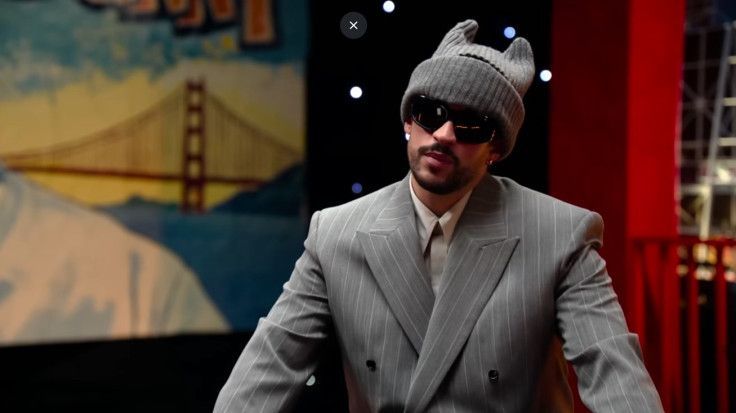
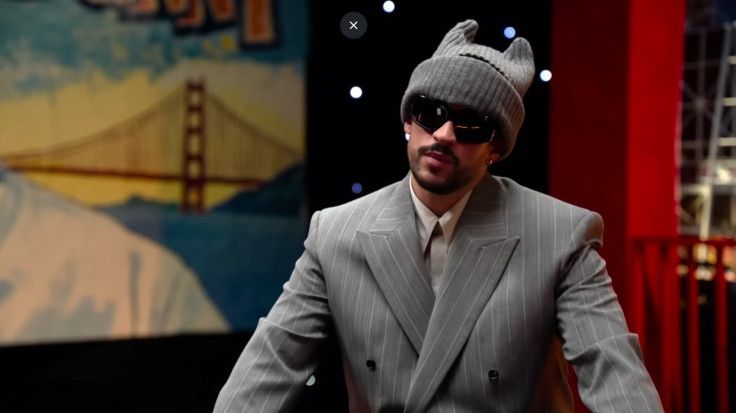
Bad Bunny’s electrifying Super Bowl halftime show didn’t just dominate headlines—it reignited a familiar conversation about his sexuality. The Puerto Rican superstar delivered a high-energy, all-Spanish performance packed with bold visuals, boundary-pushing fashion, and unmistakable LGBTQ+ representation. Within hours, search engines were flooded with one recurring question: Is Bad Bunny gay?
The moment that sparked the latest wave of speculation came during his performance of Yo Perreo Sola. Standing atop a pink house set piece, surrounded by a diverse group of dancers—including a visibly queer couple—Bad Bunny leaned fully into the inclusive spirit that has long defined his artistry. He also shared the stage with openly gay icon Ricky Martin and longtime LGBTQ+ ally Lady Gaga, further amplifying the message of acceptance and celebration.
But this isn’t new territory for Benito Antonio Martínez Ocasio. For years, the chart-topping artist has challenged traditional masculinity in Latin music—wearing nail polish, experimenting with fashion, performing in drag, and even kissing male dancers onstage. His 2020 Yo Perreo Sola music video, where he appeared in full drag, made global waves and cemented his status as a rule-breaker unafraid to defy gender norms.
Despite ongoing speculation, Bad Bunny has previously addressed the topic directly. In past interviews, he’s stated that he identifies as heterosexual while acknowledging that he sees sexuality as fluid. “It does not define me,” he once said, adding that while he currently likes women, he doesn’t believe in boxing himself into rigid labels. For him, identity is personal—not a headline.
More importantly, Bad Bunny has consistently positioned himself as a vocal LGBTQ+ ally. He has used award speeches and public appearances to denounce homophobia and transphobia, honor victims of hate crimes, and advocate for equality. He’s made it clear that his gender-bending visuals and performances are rooted in solidarity, not shock value.
In the end, the renewed debate says as much about cultural expectations as it does about the artist himself. Bad Bunny’s Super Bowl stage wasn’t a declaration of his sexuality—it was a declaration of inclusion. And once again, he’s proving that in 2026, challenging norms is still one of the most powerful performances of all.


