


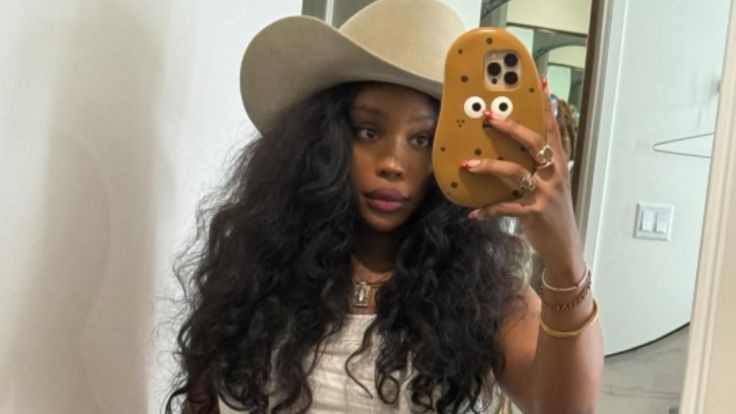
SZA may have walked away from the 2026 Grammy Awards with major wins, but it was her backstage comments—not her trophies—that stole the spotlight. After taking home Record of the Year and Best Melodic Rap Performance for her Kendrick Lamar collaboration Luther, the R&B superstar stunned reporters by calling the glamorous ceremony “incredibly dystopian” in light of ongoing ICE raids across the country.
Speaking candidly backstage at Los Angeles’ Crypto.com Arena, SZA questioned the stark contrast between red-carpet glamour and what she described as violence unfolding in American communities. She said it felt surreal to celebrate music and material success while people were allegedly being detained and harmed during immigration enforcement operations. Her blunt criticism, including an expletive-laced condemnation of ICE, immediately sent shockwaves through the entertainment world.
The singer described a sense of “cognitive dissonance,” saying many Americans feel overwhelmed by current events. Still, she made it clear she refuses to give in to hopelessness. During both her press remarks and her acceptance speech, SZA urged fans not to surrender to despair, insisting that chaos can spark change and that community solidarity is more powerful than waiting for institutions to act.
Her comments didn’t come out of nowhere. In late 2025, SZA publicly clashed with the White House after her song Big Boys was used in a promotional ICE video without her consent. She blasted the move on social media, calling it dark and dehumanizing. A White House spokesperson fired back at the time, escalating the tension and cementing SZA’s reputation as one of the most outspoken voices in music when it comes to immigration issues.
Other artists at the Grammys, including Bad Bunny and Billie Eilish, also addressed ICE during the ceremony, turning what is typically a celebratory night into one of the most politically charged broadcasts in recent memory. But SZA’s choice of the word “dystopian” struck a particularly sharp chord, reframing the awards show as a symbol of cultural disconnect rather than pure celebration.
By the end of the night, SZA had done more than collect awards—she had sparked a national conversation. Whether fans see her remarks as brave truth-telling or unnecessary politicizing of a music event, one thing is clear: she made sure the Grammys were about more than just the music.