

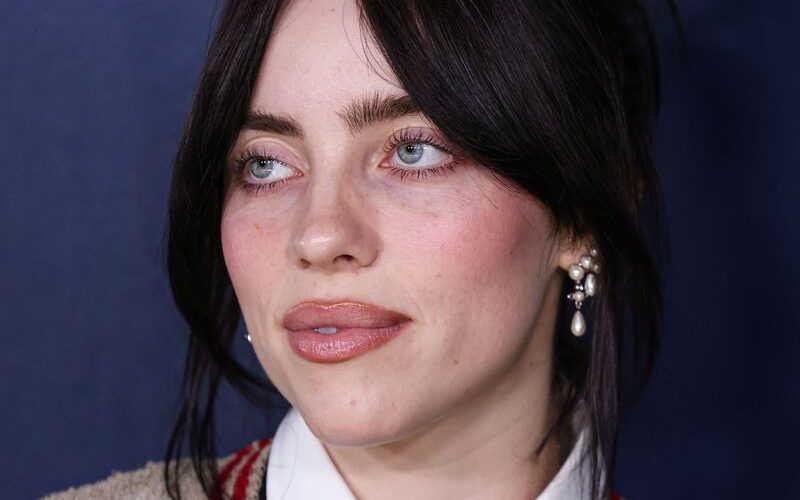
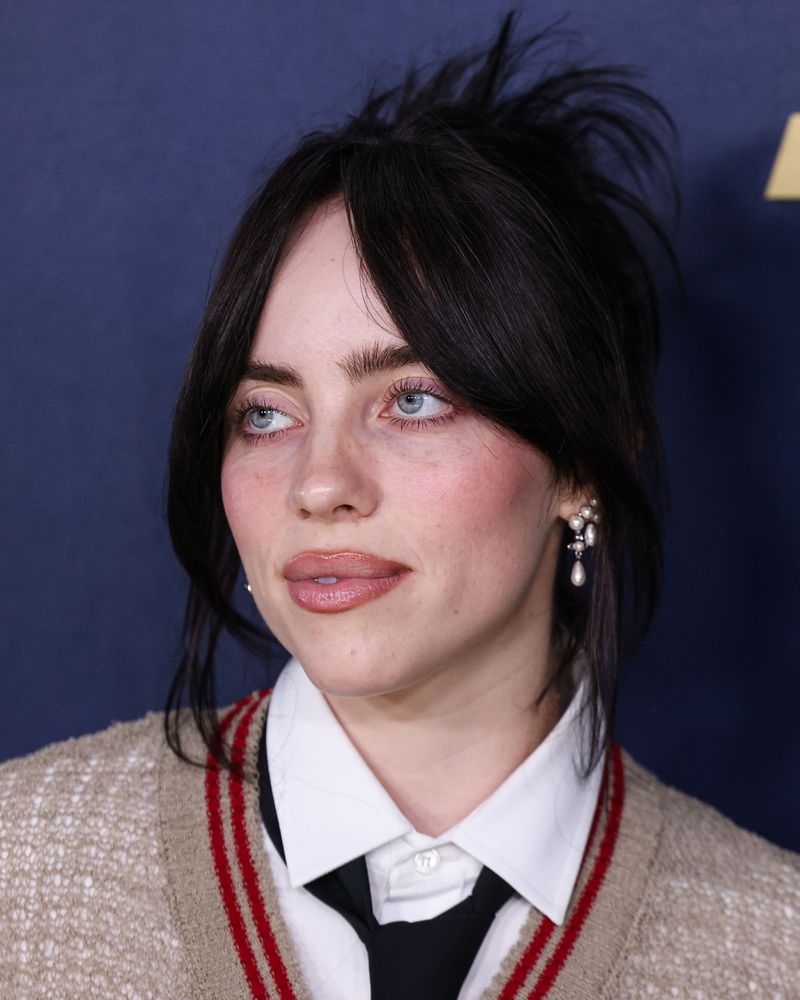
Billie Eilish set off a wave of debate after using her Grammy Awards acceptance speech to declare that “no one is illegal on stolen land”—a comment that quickly went viral and just as quickly sparked backlash. The 24-year-old pop star made the remark while accepting Song of the Year for Wildflower, turning what’s usually a celebratory moment into one of the most politically charged highlights of the night.
Standing onstage at Los Angeles’ Crypto.com Arena, Eilish thanked her collaborators before pivoting to immigration and activism. She urged people to keep speaking out and emphasized that voices matter. Her closing line—reportedly a profane jab at ICE—was partially censored during the live broadcast, but the uncensored clip spread across social media within minutes, fueling both applause and outrage.
The controversy intensified when critics pointed out that Eilish owns a $14 million mansion in the upscale Los Angeles suburb of La Cañada Flintridge. The area sits on land historically inhabited by the Tongva people, Indigenous stewards of what is now much of the LA Basin. Online commentators questioned whether her “stolen land” statement conflicted with owning luxury property in a region with a long history of Indigenous displacement.
The Tongva people lived across Southern California for thousands of years before Spanish colonization in the late 1700s, followed by American expansion that further disrupted Indigenous communities. Today, land acknowledgments are common across Los Angeles County, recognizing the region’s Native history. Critics argue that high-profile figures invoking the phrase “stolen land” should also address how they personally engage with that history.
Supporters, however, say the backlash misses the point. They argue that Eilish was speaking broadly about immigration policy and systemic injustice—not making a literal claim about her own property. Many fans praised her for using one of music’s biggest stages to call attention to what she sees as human rights issues, noting that other artists, including Bad Bunny, also brought political messages to the Grammy spotlight.
As the debate continues online, Eilish’s Grammy moment has become bigger than the award itself. For some, it’s an example of bold celebrity activism in action. For others, it raises uncomfortable questions about privilege and consistency. Either way, the speech has ensured that her name remains at the center of a cultural conversation that extends far beyond the music industry.