


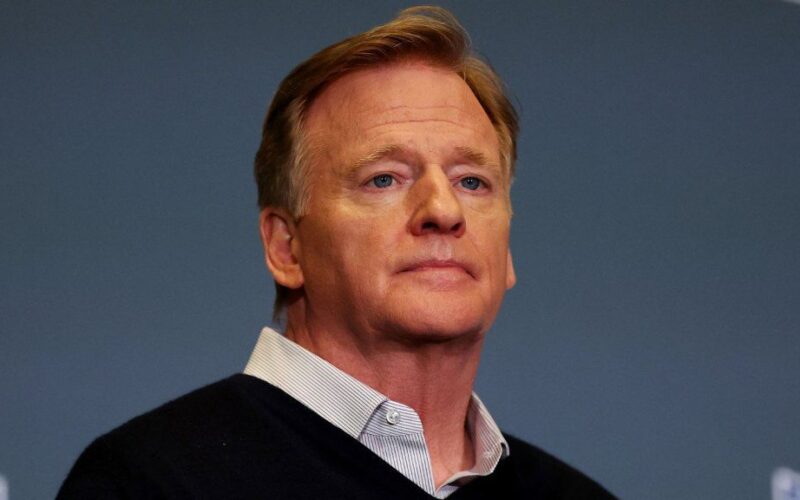
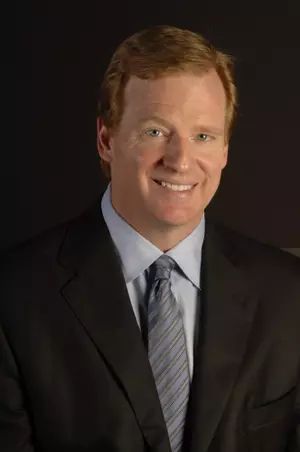
As the countdown to Super Bowl LX begins, NFL Commissioner Roger Goodell found himself fielding questions that went far beyond football. During a press conference launching Super Bowl week, attention quickly shifted to Bad Bunny’s highly anticipated halftime show—and the political storm surrounding it.
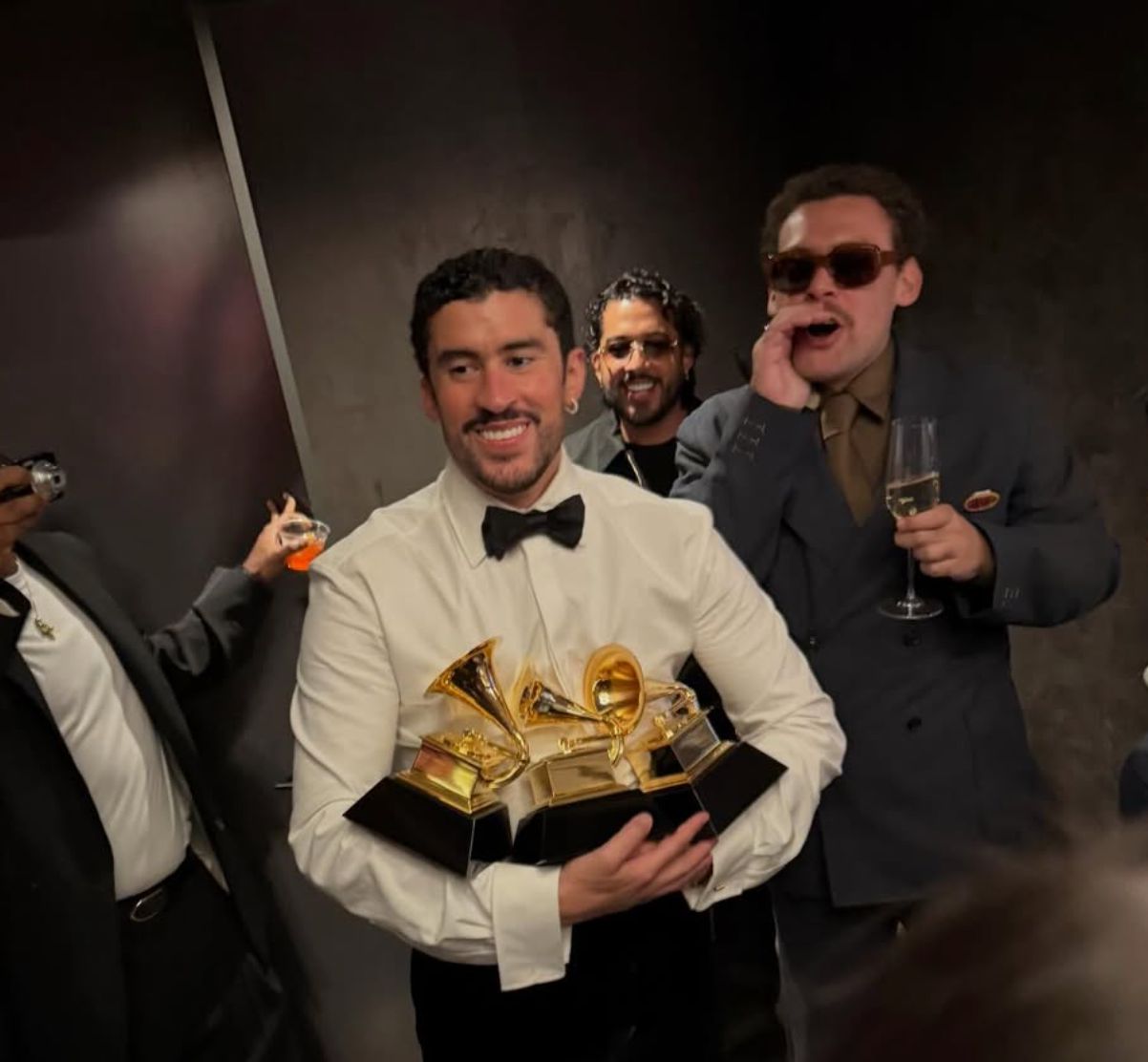
The controversy traces back to reports from last October claiming ICE agents would be present at the Super Bowl to apprehend undocumented immigrants. Those reports resurfaced just days after Bad Bunny delivered a major moment at the Grammys, where he won Album of the Year and used his acceptance speech to criticize Donald Trump’s immigration policies while calling out ICE.
Naturally, reporters pressed Goodell on whether Bad Bunny might make a similar political statement during the halftime show. Goodell responded by praising the global superstar, saying Bad Bunny’s artistry and cultural influence were central to why he was chosen for the coveted performance slot. He added that the artist understands the power of the Super Bowl stage and how it can bring people together through creativity and talent, expressing confidence that Bad Bunny would deliver a memorable and unifying performance.
The conversation then turned to security and ICE’s reported presence at the event. Goodell stressed that safety remains the NFL’s top priority, noting that the Super Bowl is classified as a SEAR 1 event, the highest security designation, requiring coordination between federal, state, and local authorities. According to Goodell, this level of security has been standard for the Super Bowl for decades.
He emphasized that there have been no changes to the league’s preparations and that collaboration with government agencies has been consistent across multiple administrations. The goal, he said, is simple: to make the Super Bowl the safest major event possible.
As Super Bowl LX approaches, the spotlight is now firmly on Bad Bunny—not just for what he might bring musically, but for whether his performance could carry a message that resonates far beyond the stadium. With politics, pop culture, and football colliding on the biggest stage in sports, all eyes will be on what happens next.