


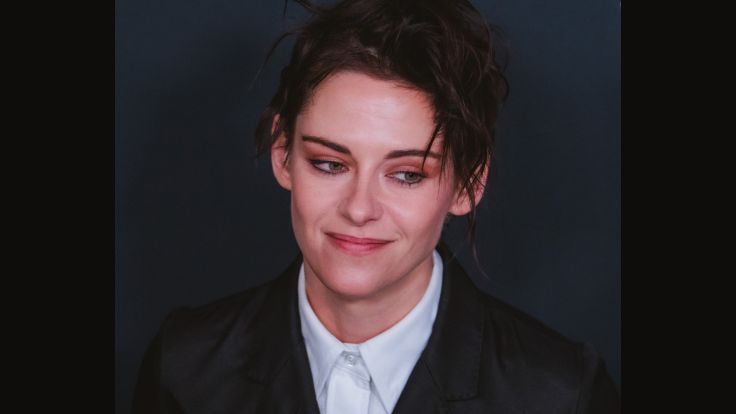
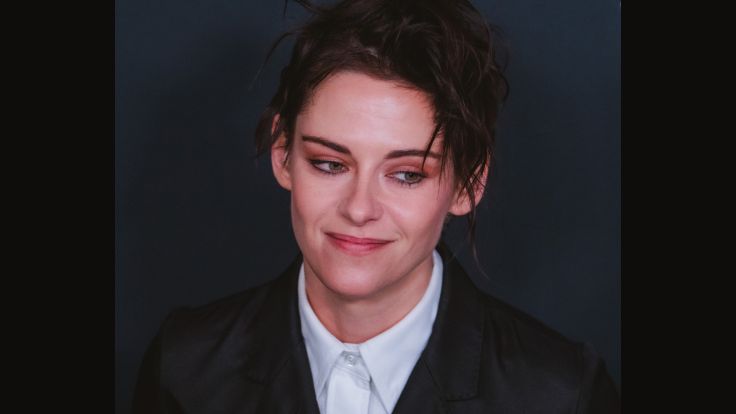
Kristen Stewart is openly questioning whether her future as a filmmaker belongs in the United States. While promoting her critically praised directorial debut, The Chronology of Water, the Hollywood star revealed she’s seriously considering shifting more of her work to Europe, citing fears over proposed film industry tariffs and what she sees as growing creative limitations in American filmmaking.
Now 35, Stewart has become increasingly outspoken about the pressures facing directors in the U.S., pointing to political uncertainty and industry roadblocks that she believes threaten artistic freedom. Her latest film was shot in Latvia, a decision she says wasn’t just stylistic, but necessary. According to Stewart, making the project in the U.S. would have been nearly impossible due to financial hurdles and creative constraints.
The Chronology of Water, adapted from Lidia Yuknavitch’s memoir, explores heavy themes including abuse, addiction, and survival. The film debuted to strong reactions at the 2025 Cannes Film Festival, marking a major milestone in Stewart’s evolution from actor to filmmaker. She’s said the experience only reinforced her belief that Europe currently offers a more supportive environment for ambitious, risk-taking projects.
Stewart stopped short of saying she’s abandoning the U.S. entirely, but admitted she’s uneasy about staying amid renewed political tensions. She described proposed tariffs on foreign-made films as “terrifying,” warning they could fundamentally disrupt how movies are financed and produced. President Donald Trump has floated a plan to impose a 100% tariff on films made outside the U.S., framing it as a way to protect domestic industry and national security.
Critics argue such policies ignore the global reality of modern filmmaking, which often depends on international locations, tax incentives, and co-production agreements. Industry experts warn that tariffs could ripple through Hollywood, affecting jobs, budgets, and creative partnerships. Stewart echoed those concerns, saying the threat alone is enough to push artists to look elsewhere.
Her frustration with Hollywood’s current climate came through bluntly when she said she wants to make movies in Europe and then “shove them down the throat of the American people,” a remark that underscored both her defiance and her disappointment with the system back home.
Europe, she noted, offers filmmakers more freedom through subsidies, co-production deals, and a willingness to back challenging material. That environment has increasingly attracted directors who feel boxed in by Hollywood’s risk-averse model. Stewart’s experience abroad mirrors a broader trend of creatives seeking independence beyond the U.S. studio system.
She has also spoken about how directing has changed her position in the industry, giving her a stronger sense of agency and respect, especially in conversations around gender equality in film. While she remains open to working in America, her comments signal a growing disconnect between artists and the structures shaping U.S. cinema.
As Stewart continues to redefine her career, her candid remarks reflect a larger anxiety rippling through the entertainment world. Whether others follow her lead remains to be seen, but her message is clear: for some filmmakers, the future of creative freedom may lie across the Atlantic.