



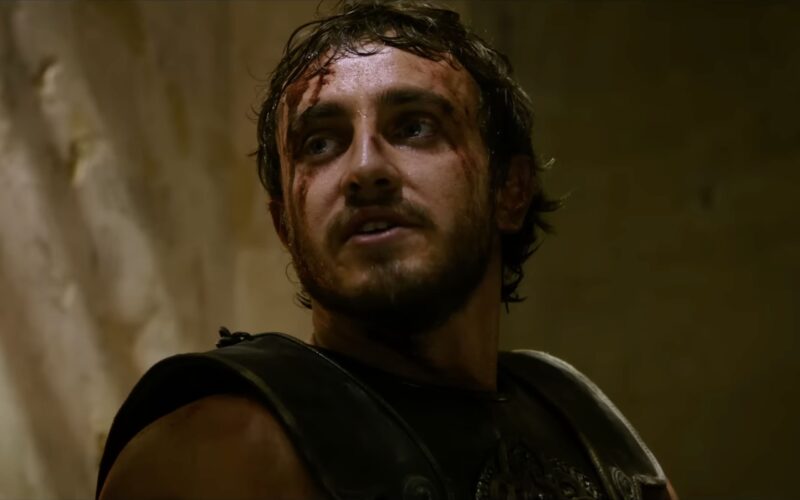
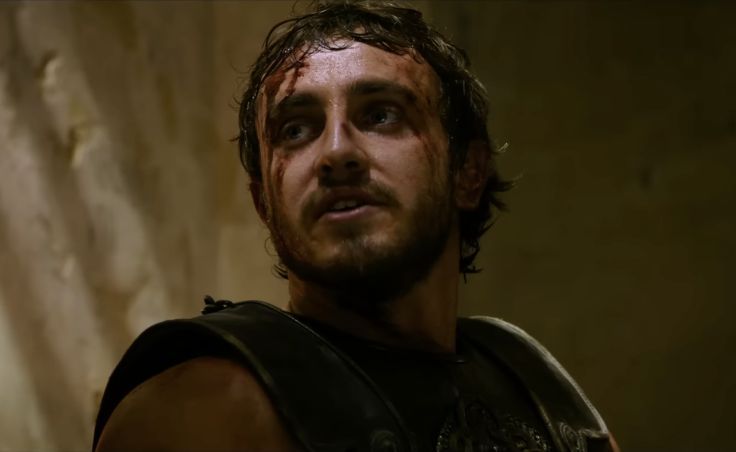
What was supposed to be a celebratory passing of the torch has instead turned into a full-blown Hollywood feud. Russell Crowe has publicly blasted Gladiator II, accusing the sequel of betraying the very soul of the original film—and in the process, igniting unexpected tension with its new star, Paul Mescal.
Mescal’s casting as Lucius initially felt symbolic: a new generation stepping into a legendary franchise built on Crowe’s Oscar-winning performance as Maximus. But that goodwill evaporated after Crowe began openly criticizing the sequel’s storyline, taking particular issue with a major plot reveal that reframes Maximus’ legacy.
In a recent interview with Australia’s Triple J radio, Crowe didn’t hold back. He slammed the decision to reveal that Lucius is Maximus’ illegitimate son, calling the twist fundamentally incompatible with the character audiences fell in love with. Crowe argued that Maximus’ devotion to his wife was central to the original film’s emotional weight, and rewriting that history undercuts its moral core.
According to Crowe, Gladiator was never just about grand battles or spectacle—it was about honor, loyalty, and restraint. By altering that foundation, he believes the sequel misses the point entirely. His comments quickly made headlines and sent shockwaves through the industry.
Behind the scenes, sources say Mescal has been deeply affected by the remarks. The 29-year-old actor reportedly grew up idolizing both Gladiator and Crowe, making the criticism sting on a personal level. Insiders claim Mescal feels blindsided and hurt, never expecting his childhood hero to publicly tear down the film he now leads.
Some close to Mescal say he views Crowe’s comments as a failure to follow Hollywood’s unspoken rule of gracefully stepping aside for the next generation. Others suggest Mescal privately sees the veteran actor as unable to accept that the franchise—and the spotlight—has moved on.
The numbers complicate the narrative. While the original Gladiator remains iconic, the sequel has performed solidly at the global box office despite its massive budget. Crowe’s argument appears to focus less on financial success and more on artistic integrity, though not everyone agrees his public takedown helps his case.
Industry insiders warn that Crowe’s outspoken criticism could backfire, alienating audiences and studios alike. While thoughtful artistic debate is one thing, publicly attacking a sequel—and a younger actor who once revered him—has struck many as unnecessary and ungracious.
Mescal, meanwhile, has stayed notably silent. In interviews, he’s avoided addressing Crowe’s remarks, instead focusing on the pressure of stepping into such a beloved franchise and praising his co-stars, including Denzel Washington. For now, he’s letting his performance do the talking.
The irony hasn’t gone unnoticed. Crowe’s Maximus was defined by honor, restraint, and dignity—qualities that helped cement the character’s legacy. Whether this real-life drama escalates or fades may depend on whether Crowe chooses to keep revisiting the past, or finally lets the new gladiator take the arena alone.