



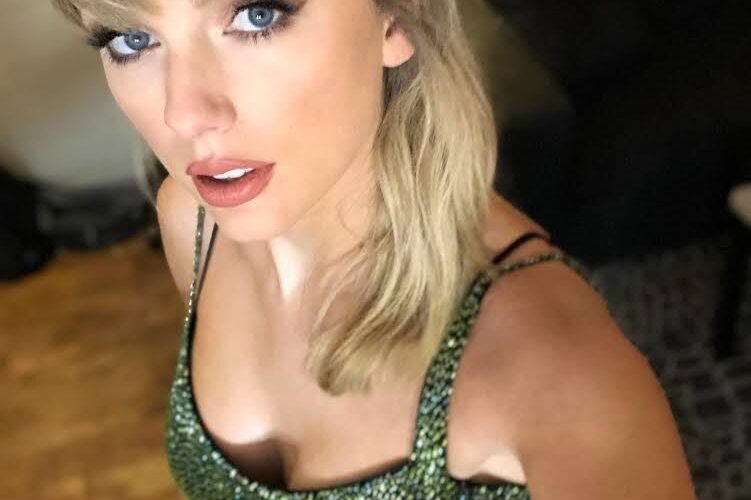

Taylor Swift just proved that no good deed goes un-debated. The pop icon made a generous charitable donation in Kansas City this week, but instead of universal applause, the move has ignited a full-blown online argument over wealth, celebrity, and motive.
The donation, announced by local nonprofit Operation Breakthrough, will fund childcare and education programs for underprivileged children in Kansas City. The organization, known for its work with economically struggling families, also has strong ties to the city’s sports scene — most notably to Chiefs star Travis Kelce, whose Eighty-Seven & Running Foundation helped create the group’s STEM-focused Ignition Lab for teens.
At first, the reaction was overwhelmingly positive. Fans praised Swift for continuing to invest in a city that has become her “second home” thanks to her relationship with Kelce. Many highlighted that she’s supported similar Kansas City initiatives before, calling her latest gift “a consistent act of community care.”
But the internet, as always, found reasons to complicate the narrative. Critics quickly began questioning the scale, timing, and intentions behind the donation. On social media, some users accused Swift of using philanthropy as a PR tool or a tax write-off — familiar talking points in the broader debate over celebrity giving. “Charity is great,” one commenter wrote, “but it also reminds us how broken things are when billionaires have to fill the gaps.”
That sentiment echoed across platforms like Reddit and X, where discussions centered on whether wealthy figures like Swift could—and should—do even more. Some detractors claimed the donation was “pocket change” for someone with her reported billion-dollar fortune, while others saw it as a distraction from bigger systemic issues.
Tax experts were quick to point out that charitable deductions are capped and do not erase tax liabilities altogether, but the perception that donations serve as convenient financial shields persists — especially when they generate major media attention.
Swift’s defenders countered that criticism misses the point entirely. They argue that her contribution helps real families in tangible ways and draws vital attention to local organizations that might otherwise go unnoticed. As one fan put it, “If her fame can bring funding and awareness to kids who need it, why turn that into something cynical?”
The debate also reflects a broader cultural tension around wealth and visibility. In an era when rising costs and inequality dominate public conversation, even seemingly pure acts of generosity can become lightning rods. For someone like Swift—whose influence spans music, business, and pop culture—every gesture carries symbolic weight.
Ultimately, regardless of motive, Swift’s involvement has catapulted Operation Breakthrough into the national spotlight, giving the Kansas City nonprofit a surge of exposure and likely a wave of new donors. Whether viewed as genuine altruism or savvy image management, the result is the same: more resources for families who need them.
As one observer summed it up online: “She’s damned if she does, damned if she doesn’t—but at least the kids win.”