



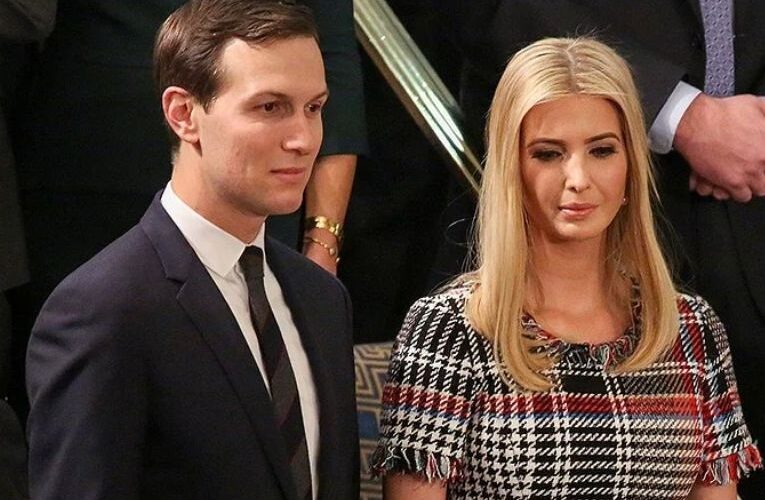
Ivanka Trump and Jared Kushner’s luxury resort plan in Albania is running into growing resistance.
The couple’s proposed development would transform Sazan Island, a former military outpost in the Adriatic Sea, into an ultra-luxury destination aimed at wealthy international travelers. The project has been promoted as a major investment that could boost Albania’s tourism ambitions.
Critics see something very different.
Environmental groups, local residents, and activists argue that the resort could damage protected areas, restrict public access, and raise uncomfortable questions about government favoritism toward powerful foreign investors.
The backlash grew even louder after Trump reportedly described Sazan Island as a “private island” she and Kushner had discovered.
For many locals, that phrasing hit the wrong nerve. Sazan is not a private discovery. It is sovereign Albanian territory with military history, ecological value, and public meaning.
Environmental Groups Are Warning About Protected Areas
The main concern is the island’s environment.
The planned development overlaps with the Karaburun-Sazan marine national park and the Vjosa-Narta protected wetlands, both known for rich biodiversity and migratory bird populations.
Environmental groups have warned that large-scale construction could harm fragile habitats, including areas used by pink flamingos and other protected species.
Reports also claim heavy machinery has already started clearing parts of a pine forest, while fencing has blocked public access to some coastal areas. That has fueled anger among locals who say the island is being shut off before the public has fully understood what is happening.
Tens of thousands of protesters have reportedly voiced opposition, arguing that the ecological cost could outweigh the promised economic upside.
Critics Question Albania’s Support For The Project
The project has also become a political flashpoint.
Opponents accuse the Albanian government of pushing the development forward too quickly for foreign investors, without enough public consultation or environmental review.
The involvement of Kushner and Trump has only intensified the scrutiny. Critics have questioned whether their political fame and international connections helped speed up approval.
The project is being pursued through Kushner’s investment firm, Affinity Partners, which manages billions in private equity capital, including funds backed by Middle Eastern sovereign wealth sources.
There are also major financial incentives. Under agreements with Albania, the development reportedly benefits from tax advantages that could exempt parts of the project from taxation during much of the construction phase.
To supporters, that is the cost of attracting major investment. To critics, it looks like Albania is giving too much away.
Albania Wants A High-End Tourism Win
Prime Minister Edi Rama has promoted the resort as part of a broader plan to turn Albania into a high-end Mediterranean tourism destination.
The government wants to attract luxury travelers, major investors, and wealthy yacht traffic instead of relying only on lower-cost tourism. Supporters argue the project could create jobs, improve infrastructure, and bring new life to former Cold War-era military sites.
There is also a symbolic reason Albania wants the deal.
A major project backed by famous American investors could help sell the country as modern, business-friendly, and aligned with Western investment as it continues pursuing European Union membership. That is the official pitch.
The backlash tells the other side.
For opponents, the resort is not just about tourism. It is about whether protected land can be repackaged as a luxury playground, whether locals have a real voice, and whether powerful outsiders are being handed special treatment.
Kushner and Trump have spoken openly about their excitement over the project. They see Sazan Island’s location, isolation, and natural beauty as a rare chance to build a world-class luxury destination near Italy.
But the more the project grows, the more its critics ask the same question: who really benefits when a protected island becomes a resort?