



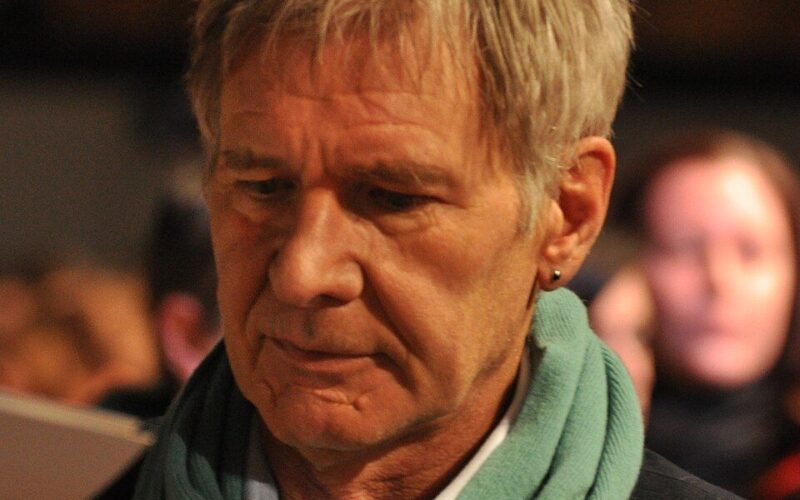

Harrison Ford rarely sounds like a man interested in public confession. That is what made his recent comments about college depression feel so striking. The actor said he was “more than depressed” before an accidental drama class helped him find purpose. His story also points to a bigger Hollywood truth. The Harrison Ford revelation reminds fans that the industry often turns pain into performance before anyone asks who is hurting.
The Harrison Ford Revelation Hits Differently
Ford spoke about his college years on The Hollywood Reporter’s “Awards Chatter” podcast. He said he often stayed in his room, ordered pizza and avoided class. At times, he reached the classroom door and turned back. People and Entertainment Weekly reported that Ford described himself as socially and psychologically unwell.
That image clashes with the Ford most audiences know. On-screen, he became the dry, bruised hero who always kept moving. Han Solo had swagger. Indiana Jones had nerve. Rick Deckard had steel. Behind that future image was a young man who could barely enter a room.
Hollywood’s Mental Health Problem Is Bigger Than One Star
Ford’s story lands inside a larger industry conversation that keeps getting harder to ignore. The Film and TV Charity’s 2024 Looking Glass Survey found worsening mental health among film, TV and cinema workers. More than 4,300 people responded to that survey, making it a major snapshot of the screen sector.
In 2026, The Guardian reported that the charity launched new mental health principles for the industry. The move followed research showing serious concern around poor mental health, workplace pressure and people considering leaving the business. The message was clear: Hollywood’s problem is not just fragile stars. It is a work culture built on uncertainty, rejection and constant exposure.
Why Acting Became A Lifeline
Ford did not find acting through some polished career plan. He enrolled in a drama class while trying to improve his grades. Then he discovered he had to perform. That surprise opened a door he had nearly missed.
What he found was not instant fame. He found people. He found storytellers, rehearsals and a reason to return. That matters because mental health struggles often shrink a person’s world. Acting, for Ford, seemed to widen it again.
The Cost Of Looking Untouchable
Hollywood sells the idea that confidence is natural. Actors walk carpets, hit marks and turn private nerves into public charm. The audience sees control. The business often rewards silence.
That silence can become part of the job. Stars learn to look fine before they feel fine. Young performers learn to accept rejection as routine. Crew members work punishing hours while pretending the pressure is normal. Ford’s admission cuts through that old performance.
His comments also make his role on Apple TV+’s “Shrinking” feel more layered. Ford plays a therapist living with Parkinson’s disease. The series has drawn attention for its mental health themes and its mix of grief, humor and recovery. Ford’s own history now gives that work a quieter echo.
The most interesting part of Ford’s story is not that acting made him famous. It is that acting helped him belong before fame arrived. That is a very different kind of rescue.
Hollywood loves comeback stories, but this one feels more useful than glamorous. Ford’s past suggests that creative work can give people language for pain. It also suggests that the industry should care for the people creating those stories. Otherwise, it keeps selling healing on-screen while leaving too many people alone off-camera.