



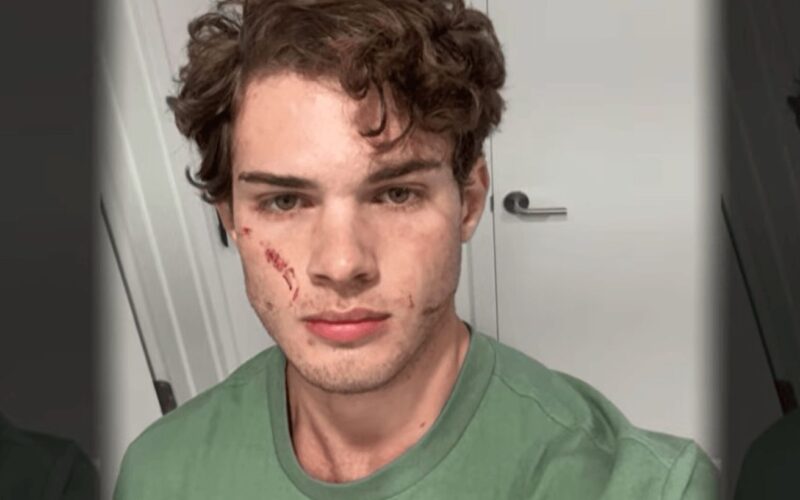
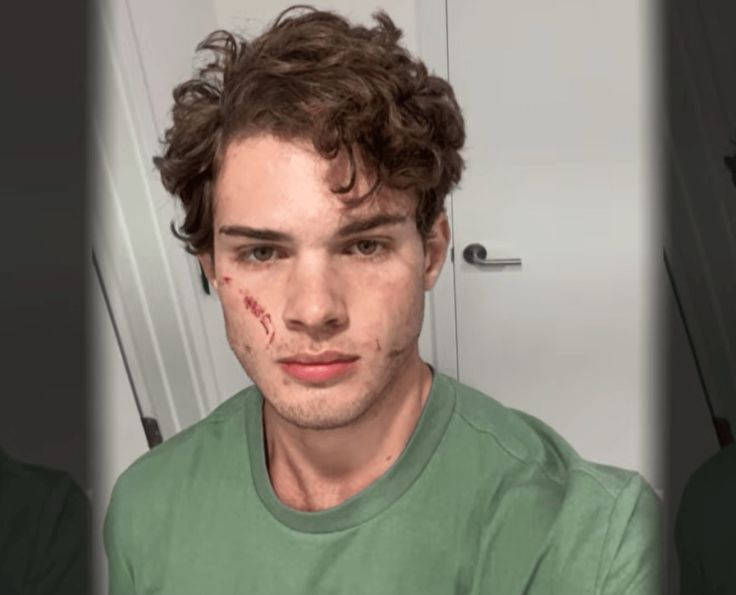
Clavicular’s livestream scare has turned into a bigger warning about online fame and real-time crisis. The 20-year-old influencer, whose real name is Braden Peters, was hospitalized in Miami after a suspected overdose during a livestream. Viewers reportedly watched the broadcast shift from routine content to confusion and alarm. Now, the Clavicular livestream incident is raising harder questions about who protects creators when the camera stays on.
Clavicular Livestream Raises Alarm
TMZ reported that Peters suffered a suspected overdose Tuesday night and was taken to a hospital. CBS Miami reported that he later spoke out after returning home from the hospital. He described the experience as brutal in an online update.
The moment spread fast because it happened in front of an audience. Viewers did not receive a polished statement or a delayed update. Instead, they saw a creator appear unwell in real time. That made the incident feel immediate, messy and deeply uncomfortable.
Why Viewers Felt Pulled In
Livestreams can turn fans into witnesses without warning. In Peters’ case, viewers reportedly reacted with panic, speculation and concern as the situation unfolded. Some tried to work out whether the moment was staged or serious. That confusion shows how unstable live content can become.
The emotional pull also comes from parasocial attachment. Fans may not know a creator personally, but they still feel connected. When a crisis unfolds live, that connection can feel urgent. However, online viewers are not trained emergency responders.
Looksmaxxing Fame Adds Context
Peters became known through “looksmaxxing” content, a controversial online trend tied to extreme appearance-focused advice. People reported that YouTube removed additional channels linked to him after an earlier termination for policy violations. The platform said the removals involved efforts to evade a previous ban.
News.com.au reported that Peters’ content has drawn criticism for promoting risky appearance-altering practices. The outlet also reported that he later said he used substances as a way to cope. Those details have pushed the conversation beyond one livestream.
The Platform Question Gets Louder
The incident has renewed concern about livestream culture and creator pressure. Real-time platforms reward shock, access and constant visibility. That system can blur the line between performance and harm.
IBTimes UK reported that Peters’ family was very concerned after the suspected overdose. The same report tied the incident to wider debate about parasocial relationships and digital emergencies. That framing explains why the story traveled beyond his usual audience.
For now, many details remain limited. The exact medical circumstances have not been fully confirmed publicly. Still, the broader lesson is hard to miss. When a crisis becomes content, everyone watching is left asking what should have happened before the stream went dark.