



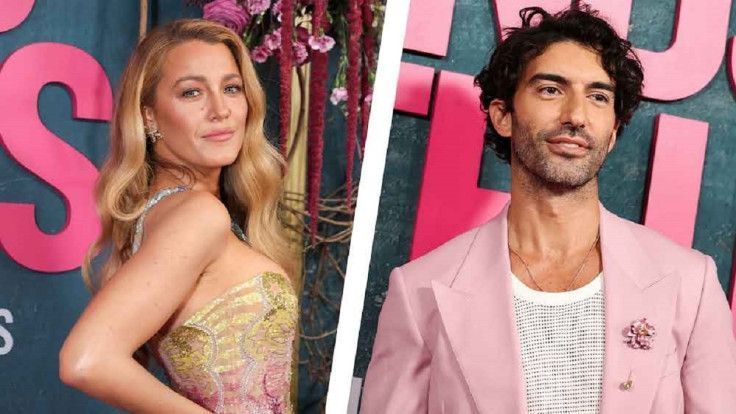
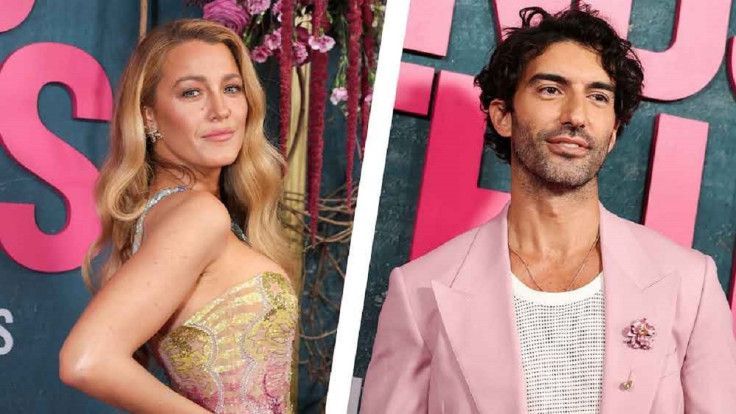
Blake Lively and Justin Baldoni are heading into a sharper, narrower court fight after Baldoni moved to block several of the witnesses Lively wants to call at trial. The latest filing came after a judge dismissed 10 of Lively’s 13 claims earlier this month, including her sexual harassment claims, leaving retaliation, aiding and abetting retaliation, and breach of contract for trial. That shift matters because the case now turns less on a broad picture of on-set tension and more on what evidence the court will actually let a jury hear. Blake Lively may still bring a high-profile case to trial, but Baldoni is clearly trying to keep the witness list tight.
Why Justin Baldoni Wants Blake Lively’s Witnesses Limited
According to TMZ’s report on the April 11 filing, Baldoni’s team argued that some of the testimony Lively wants to introduce amounts to a “grab bag of awkward comments, minor confrontations, and perceived slights.” His lawyers say that material would not have been admissible even if the sexual harassment claims had stayed in the case. In other words, Baldoni’s side is trying to stop the trial from expanding back into broader workplace-behavior claims after the judge already narrowed the legal issues.
The filing specifically targets testimony from Jenny Slate, Colleen Hoover, Liz Plank, and Isabela Ferrer. Baldoni’s side argues Hoover was never on set, Plank had no role in the film’s production, and Ferrer did not complain to Wayfarer during filming. TMZ also reported that Baldoni’s lawyers pointed to Slate’s own indication that some of her concerns had been resolved quickly, which they say undercuts the value of revisiting those issues in court now.
The Trial Is Now About A Much Smaller Set Of Claims
The broader context is just as important as the witness fight itself. People reported that the trial is set for May 18 in New York City, with a pretrial hearing scheduled for April 28. The same report said most of Lively’s original claims were dismissed, but the retaliation and breach-of-contract claims remain alive. That means both sides are now battling over what belongs inside a much more focused trial record.
Lively’s side is making its own effort to shape what jurors can hear. People reported that she recently moved to exclude a resurfaced 2016 interview and “mean girl” accusations, arguing that they are gossip-driven attacks on her character rather than useful trial evidence. Baldoni’s side, by contrast, says those materials help support an “organic backlash” defense by showing her negative public image predates any alleged smear campaign. So this is not just a fight over witnesses. It is a much larger fight over what story the jury gets to see.
What This Could Mean For Blake Lively’s Case
If the judge grants Baldoni’s request, Lively could lose some of the supporting voices that might have helped add atmosphere and emotional weight to her version of events. Still, fewer witnesses would not automatically sink her case. Courts care more about relevance and admissibility than volume, and a focused retaliation case can still be powerful if the direct evidence is strong enough. For now, the real battle is over scope. Baldoni wants the jury hearing as little peripheral testimony as possible, while Lively appears to be fighting to preserve a wider frame around what happened.
That is why this filing matters more than it may seem at first glance. It is not just a housekeeping motion before trial. It is an attempt to define the emotional and factual boundaries of one of Hollywood’s messiest legal showdowns. The claims are fewer now, but the stakes over narrative control may be even higher.