


Olivia Munn cancer journey has turned into something bigger than a celebrity health update, because she has used a brutal diagnosis to push women toward earlier screening and smarter risk checks. What began as a private fight with bilateral luminal B breast cancer has slowly become one of Hollywood’s clearest stories about fear, survival, and speaking up when the timing feels right.
Munn first shared in March 2024 that doctors diagnosed her in 2023 after her OB-GYN calculated her lifetime breast cancer risk and sent her for more testing, despite a clear mammogram and no symptoms. She later said that path led to an MRI, ultrasound, biopsy, and then a double mastectomy within 30 days of the biopsy result.
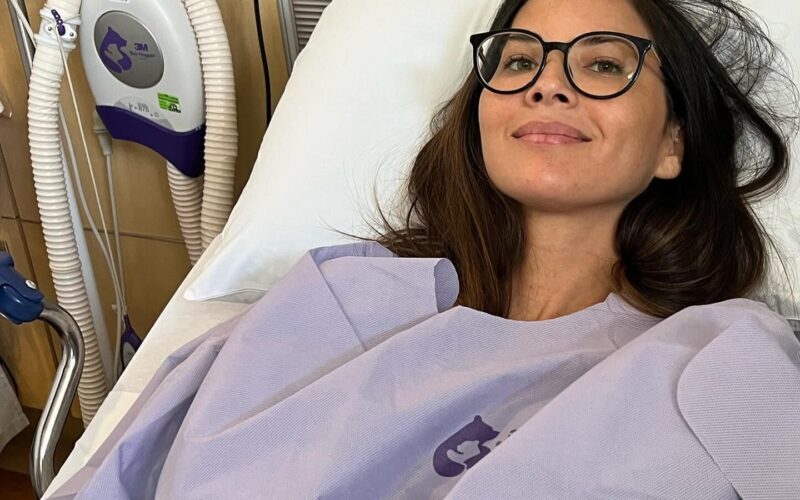
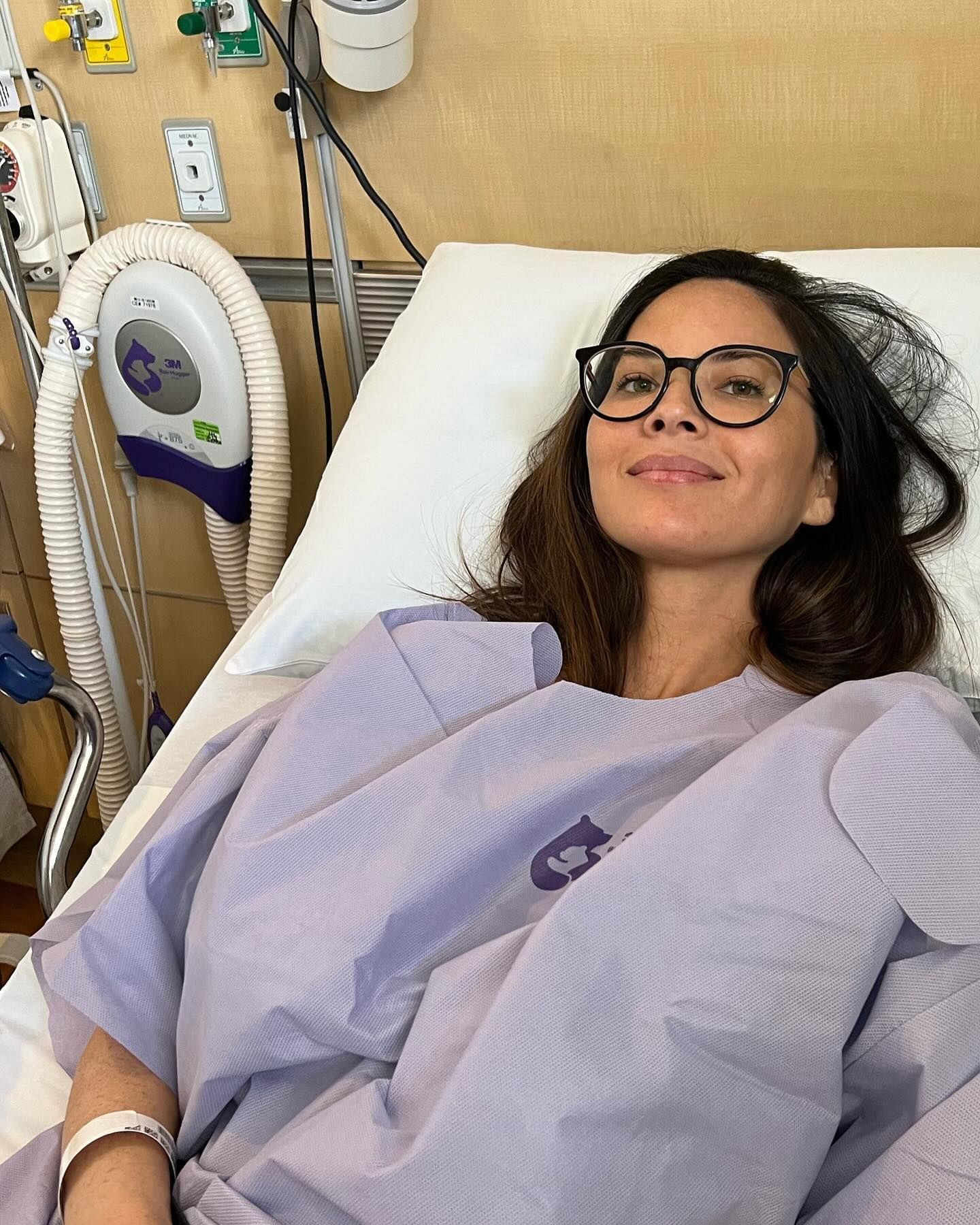
What made her story hit so hard was the speed of it. Munn described luminal B as aggressive and fast-moving, and recent interviews show she still talks about the shock of looking healthy one day and waking up in a hospital bed after major surgery the next. That sharp turn is also why she keeps stressing the value of a lifetime risk assessment test, which she says likely saved her life.
Olivia Munn cancer journey changed after early detection
Since going public, Munn has spoken more openly about the full scale of treatment. Recent reporting says she has undergone five surgeries, including a double mastectomy, hysterectomy, and lymph node dissection, and she continues to deal with difficult medication side effects while recovering. Even so, she has said she is doing great overall and remains deeply grateful that doctors caught the cancer when they did.
That mix of honesty and control has shaped how people respond to her. She does not present recovery as neat or glamorous. Instead, she keeps returning to the physical cost, the mental strain, and the way treatment can keep stretching far beyond the first public headline.
She keeps bringing the focus back to women’s health
Munn has made one point again and again: women should not assume a clear mammogram means everything is fine. Her story has pushed more attention toward risk assessment tools, especially for women whose age, family history, or other factors may put them in a higher-risk group. In recent interviews, she has continued urging women to ask more questions and take screening seriously before symptoms appear.
At the same time, her family life has clearly changed how she talks about surviving all of this. In her March 29, 2026, CBS News interview, Munn said facing the possibility of death made her focus less on milestone events and more on ordinary days with husband John Mulaney and their two children. That shift gives the story its emotional center, because it is not just about treatment anymore. It is about what she wants to stay present for while she keeps going.
The fight is ongoing, but so is the message
Munn has said she still has years of treatment ahead, and recent coverage makes clear that recovery does not mean the hard part has fully ended. Yet she keeps showing up, talking plainly, and using her platform to make early detection feel less abstract and more urgent. That is why her story keeps landing. It is not only about a diagnosis. It is about how a woman took something terrifying, survived it, and turned it into a warning other women might actually hear.