


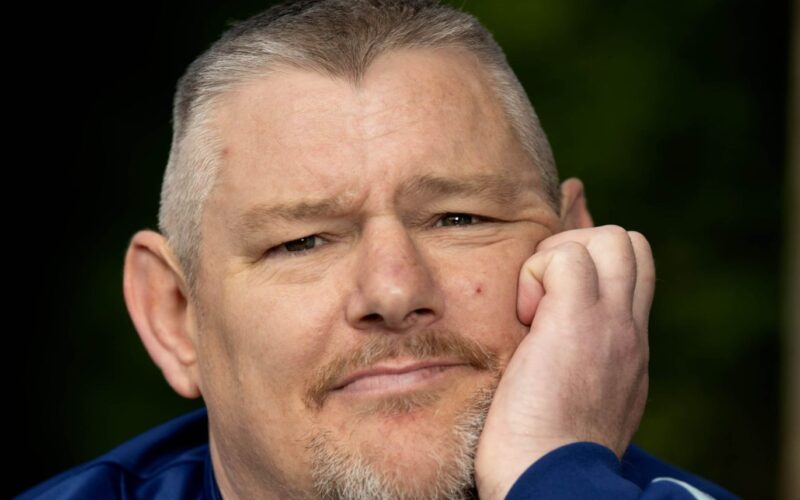
The 2026 BAFTA Awards have sparked an unexpected controversy after Tourette’s campaigner John Davidson said he was left “deeply mortified” when his involuntary vocal tics were broadcast during the ceremony. The incident happened during the February 22 event at London’s Royal Festival Hall, where microphones picked up several of Davidson’s tics—including offensive language—during the BBC’s coverage of the show.
Davidson, 54, attended the ceremony as an executive producer of the independent film I Swear, which is based on his life. During the live event, some of his vocal tics were audible in the auditorium and were later heard in the BBC’s delayed broadcast. At one point, a racial slur linked to an involuntary tic was captured while actors Michael B. Jordan and Delroy Lindo were presenting an award, quickly turning the moment into one of the most talked-about controversies of the night.
The longtime campaigner has lived with Tourette’s syndrome since childhood and was awarded an MBE in 2019 for raising awareness about the neurological condition. Tourette’s can cause sudden motor movements or vocal tics, and in rare cases includes coprolalia, which leads to the involuntary use of offensive or socially inappropriate language. Davidson’s tics were reportedly heard several times during the ceremony, including during opening remarks from BAFTA chair Sara Putt.
Host Alan Cumming briefly addressed the audience during the event, explaining that Davidson’s outbursts were involuntary and connected to his condition. Despite that explanation—and a warning to attendees that there could be strong language or involuntary noises—the slur remained in the BBC’s two-hour delayed broadcast. The full program was later removed from BBC iPlayer after backlash.
In a statement to Variety, Davidson said he was devastated by what happened and had privately reached out to apologize to anyone affected. He emphasized that his tics are neurological and have nothing to do with his personal beliefs. “They’re essentially a neurological misfire,” he explained, while also condemning the language that was heard during the broadcast.
The controversy has also raised questions about event planning after Davidson said he didn’t realize he was seated near active microphones. He believed sitting roughly 40 rows from the stage would reduce the chance of his tics being heard, but audio equipment in the area still captured them. Disability advocates have since questioned whether organizers should have taken greater precautions given Davidson’s condition.
BAFTA and the BBC have both issued apologies and say they are reviewing what happened. While there is no evidence that Davidson was intentionally seated near microphones, the incident has sparked wider discussion about how major live events accommodate people with neurological conditions—and how broadcasters handle sensitive moments during televised ceremonies.