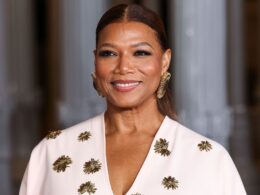





The Grammy Awards turned into far more than a celebration of music this year—they became one of the most politically charged nights in recent awards-show history. What began as a glamorous red carpet quickly evolved into a powerful, coordinated show of solidarity, as some of the biggest names in entertainment used their acceptance speeches and fashion choices to send a loud message about immigration enforcement in the United States.
Bad Bunny delivered one of the night’s most talked-about moments after winning Album of the Year. Clearly emotional, he paused before thanking anyone and addressed the crowd with a direct and urgent message: ICE out. Switching between Spanish and English, the global superstar pushed back against rhetoric he believes dehumanizes migrants. He told the audience that immigrants are not criminals or outsiders, but human beings and Americans. The statement drew a stunned silence inside the venue and instantly exploded across social media.
He wasn’t alone. Kehlani, who took home Best R&B Performance, also used her time at the mic to criticize ICE. Though part of her speech was censored during the live broadcast, clips quickly circulated online. On the red carpet, she made her stance unmistakable, wearing an “ICE OUT” pin and telling reporters she was determined to speak her truth. The artist has long been vocal about social justice, but this marked one of her boldest statements on a mainstream stage.
Billie Eilish and her brother Finneas added to the chorus when they accepted Song of the Year for WILDFLOWER. Eilish, speaking with conviction, reminded viewers that no one is illegal on stolen land and urged people to keep raising their voices. Both siblings wore matching “ICE OUT” pins, and Eilish later amplified the message on social media, framing immigration enforcement as a human rights issue that demands attention beyond a single awards show.
The red carpet itself became a subtle protest. A long list of stars—including Justin and Hailey Bieber, Joni Mitchell, Samara Joy, Carole King, Jason Isbell, and members of Bon Iver—arrived wearing pins tied to immigrant advocacy efforts. Some quietly explained the meaning to reporters, while others let the symbol speak for itself. The movement stretched across genres and generations, with artists like Gloria Estefan and Best New Artist winner Olivia Dean also referencing immigrant roots and vulnerable communities in their remarks.
By the end of the night, the Grammys had transformed into a unified front, echoing similar activism seen recently at the Emmys and Golden Globes. Whether viewers tuned in for the music or the message, one thing was clear: this was no ordinary awards show. It was a cultural flashpoint—and Hollywood made sure the world noticed.